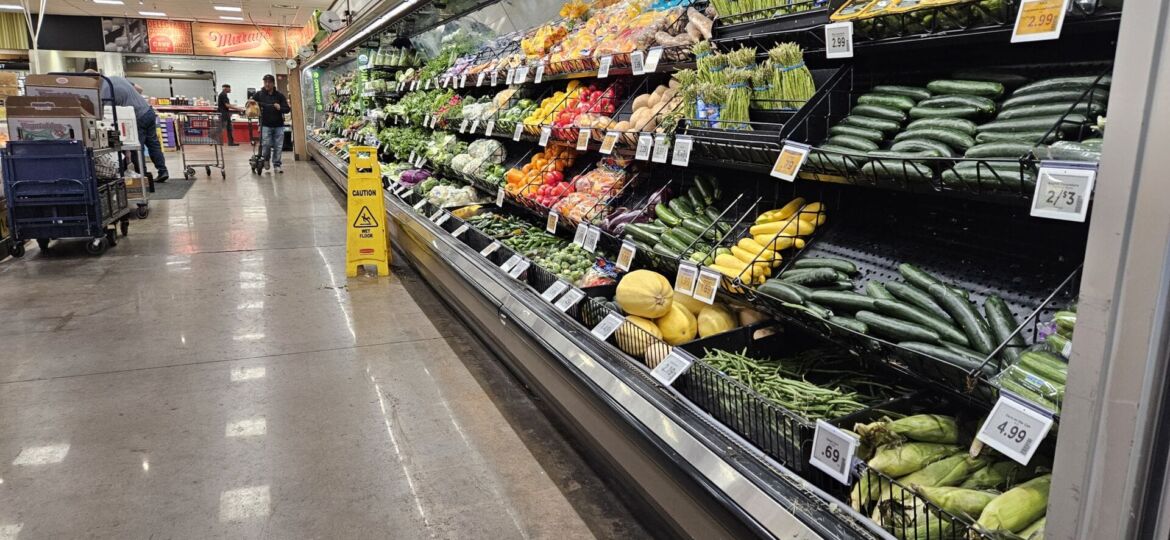
Fresh produce is on display at King Soopers on 30th Street in Boulder on Oct. 1. (Photo by Peighton Lemp)
Higher grocery prices affect Boulder's food insecure
Grocery shopping is an essential errand, but for Naimisha Sanjay, a student at CU Boulder, checking out has become a primary source of financial worry.
“It is stressful when you go to the store to buy a couple things and end up spending a ton of money,” Sanjay said.
One in three Coloradans experience food insecurity, according to We Don’t Waste, a Denver-based nonprofit that recovers food waste and distributes it to nonprofits and food-insecure neighborhoods.
Over the past five years, increased grocery bills across Boulder have forced more residents to confront food insecurity, which the U.S. Department of Agriculture defines as the condition of having limited, uncertain or inconsistent access to adequate or nutritious food.
According to the U.S. Bureau of Labor Statistics, groceries have steadily increased by 35% in the Denver-Aurora-Lakewood area over the last 10 years.
“We’ve seen an average increase of 30% in attendance at most of our mobile food markets,”said Caroline Hissong, senior communications and marketing manager of We Don’t Waste.
Jeronimo Carballo, economics professor at CU Boulder, explained these trends are slightly above average, as groceries typically face a 2% to 3% inflation every year.
“The explanation is a mix between how wages are responding to the current labor market environment versus how prices are responding to the current economic context,” Carballo said.
Carballo pointed to rising fuel costs linked to the war in Iran as another key driver, noting that interstate grocery distribution relies heavily on expensive diesel.
In addition, minimum wage in Boulder sits at $16.82 an hour, and, according to Carballo, grocery stores often absorb those rising labor costs by bumping up shelf prices.
In medium- to large-sized college towns like Boulder, rent for supermarkets is steep.
“Places where the price is high means that places that sell food have to pay a higher fixed cost,” Carballo said. “If you are buying inside a city, you may have to pay a higher price for rent and also for their workers.”
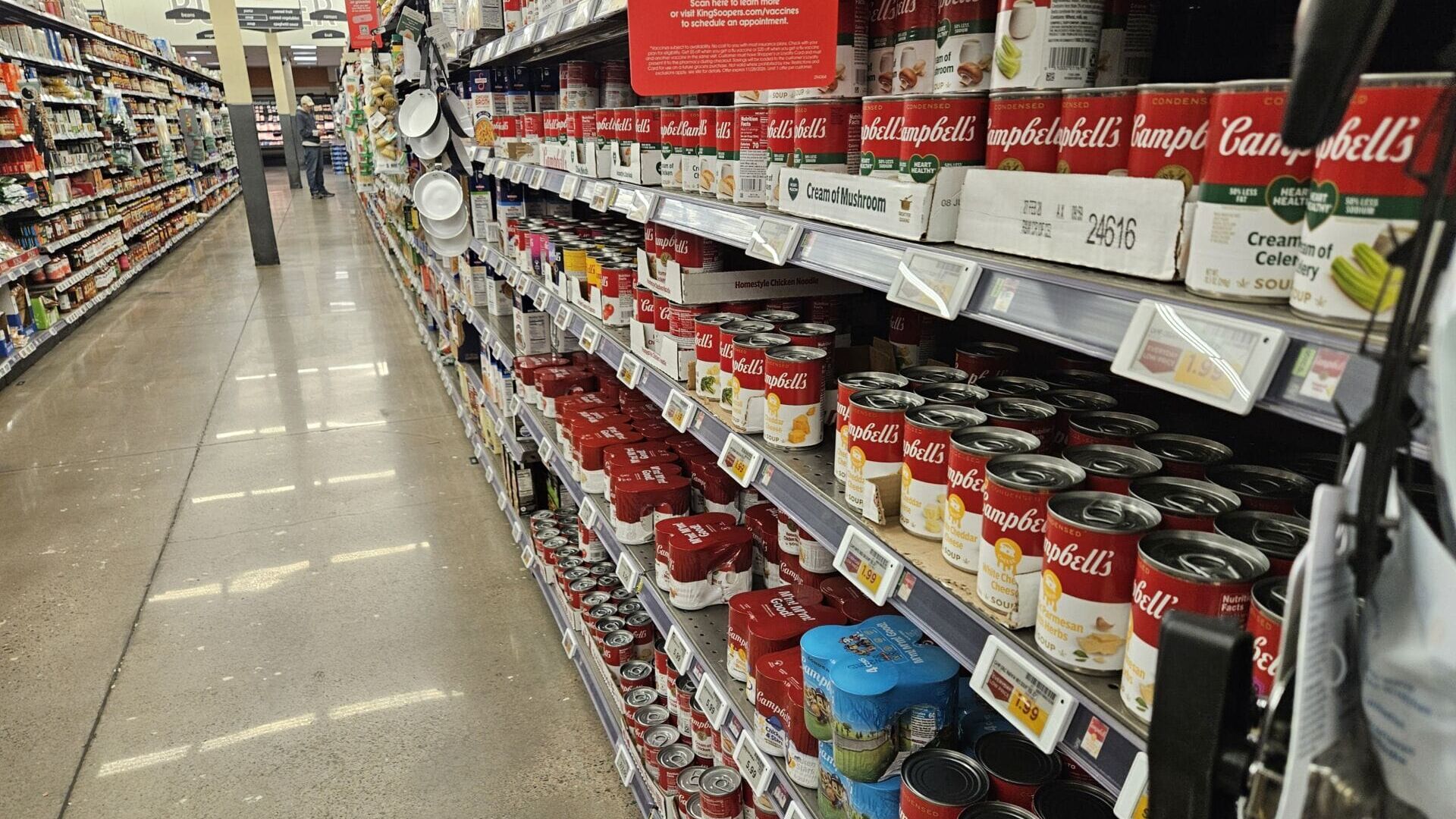
Clients at We Don’t Waste and the Emergency Family Assistance Association often point to a lack of federal Supplemental Nutrition Assistance Program, or SNAP, benefits as a primary hurdle.
SNAP benefits are distributed based on income. To qualify for benefits in Colorado, an applicant must have an income less than 200% of the federal poverty level – meaning an individual living alone must make less than $2,610 a month.
SNAP has faced its biggest roll back ever and federal policy changes in Colorado, causing tighter eligibility requirements, reduced rolls and a bigger burden of cost put on benefit receivers.
“Whenever you’re looking at the SNAP qualifications, you are probably at or well below the poverty line. But there is a very large chunk of the demographic here in Colorado, and even across the nation, just above that poverty line,” Hissong said.
While households just above that cutoff can often cover fixed essentials like rent and utilities, keeping up with rising grocery bills pushes their budgets to the limit.
That margin represents the core population We Don’t Waste supports.
“We serve a lot of the community that are kind of in that gray area where they might not have any alternatives,” Hissong said.
Maria Mestas, food bank manager at the Emergency Family Assistance Association in Boulder, also recognized that for their participants, a reduction in benefits or simply not a large enough increase in benefits is a primary reason they turn to the food bank.
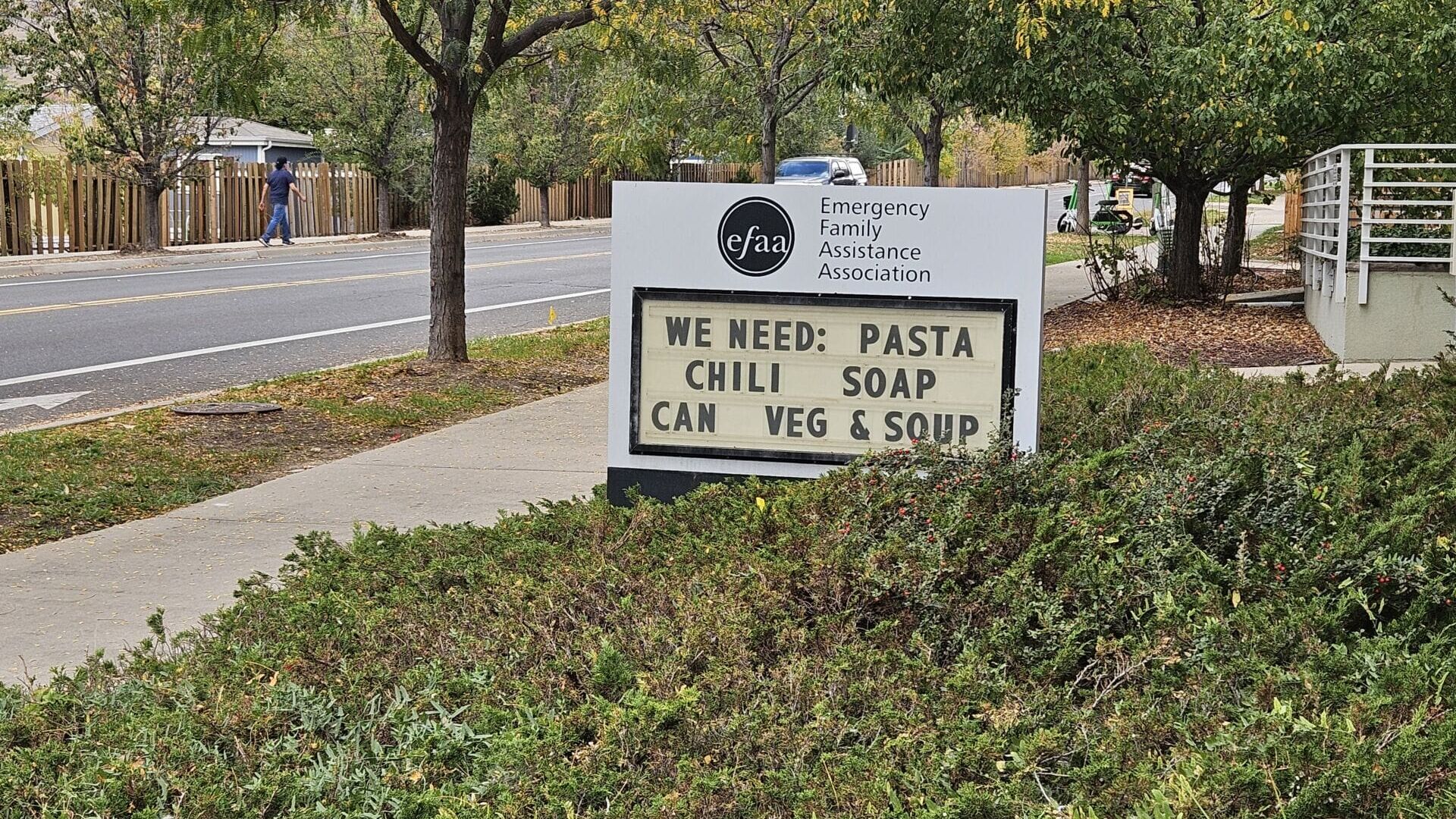
As grocery costs continue to climb, community resources such as EFAA are working to combat local food insecurity.
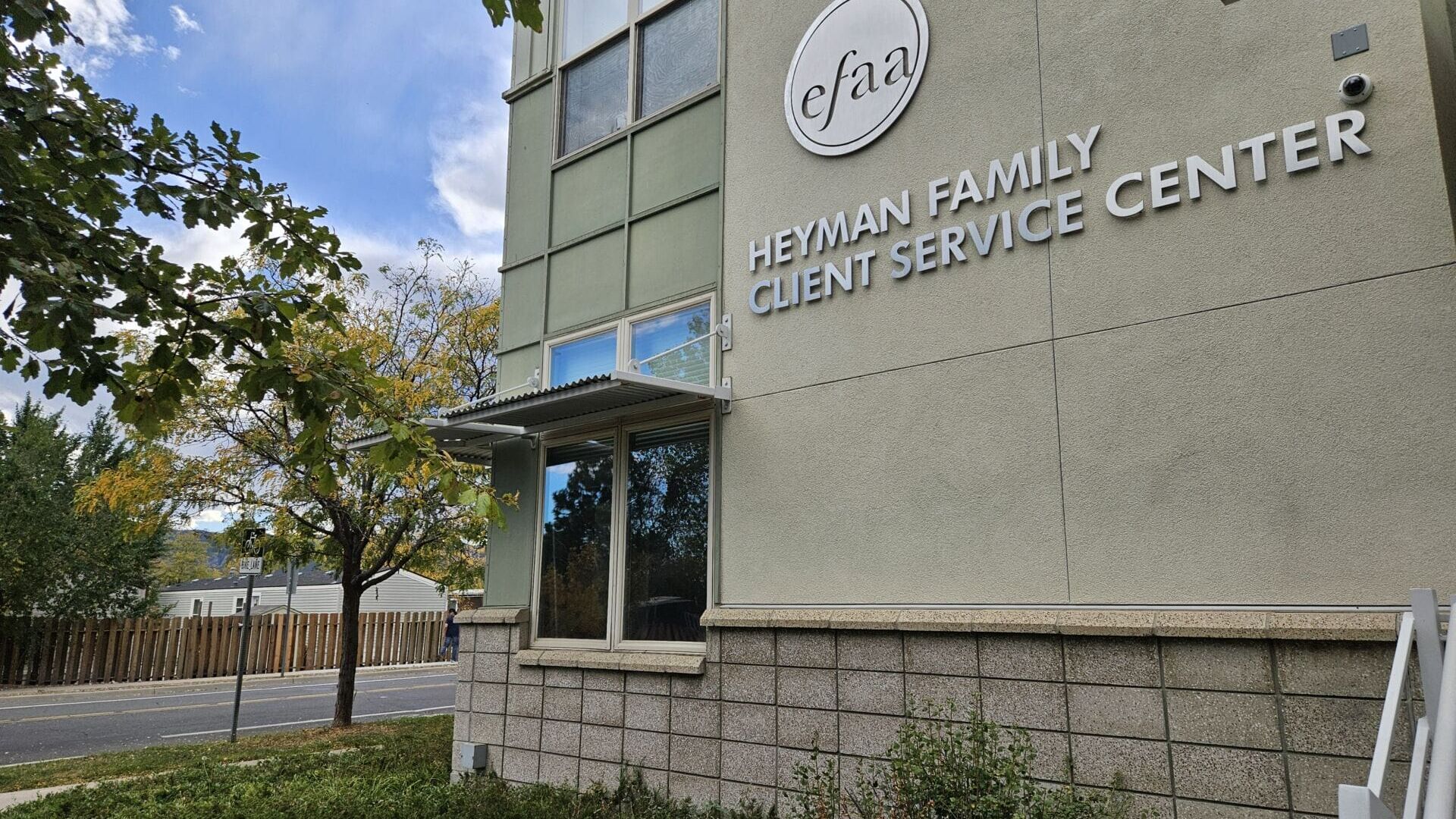
Mestas explained that EFAA is a family resource center that has five core programs to help families in the city of Boulder and the mountain communities of Boulder Valley School District, including a food bank.
“Anybody who lives in the city of Boulder can get registered to come to the food bank. People can come twice a month,” Mestas said. “Once they’re in the food bank, we have a self-shop model, so basically anybody can grab anything on their own.”
EFAA participants typically need to go to the pantry because of seasonal work, recent layoffs or injuries that keep them from working. Individuals and families use the facility routinely, typically walking out with 70 pounds of groceries, which is a full grocery cart.
“It’s $133 saved per visit, and since people can come to the food bank twice a month, that’s $266 per month that people could save,” Mestas said.
We Don’t Waste operates as a unique nonprofit attacking food waste and food insecurity in one system. They recover food from restaurants and grocery stores that would otherwise go to waste and distribute it back into the community either via mobile food pantries or distributing it to one of their 140 nonprofit partners.
Hissong said that the nonprofit aims to make food available to anyone who needs it, regardless of income, to help people feel nourished, both physically and emotionally.
“We want to provide the dignity of choice through these mobile food markets, and the convenience, too, for our nonprofit partners to be able to choose,” Hissong said.
We Don’t Waste focuses on serving communities living in food deserts, or areas where fresh food may not be the most accessible or affordable option. So, people are pushed towards less healthy options, such as fast food or convenience store meals.
“We really believe food is the building block for everything,” Hissong said.