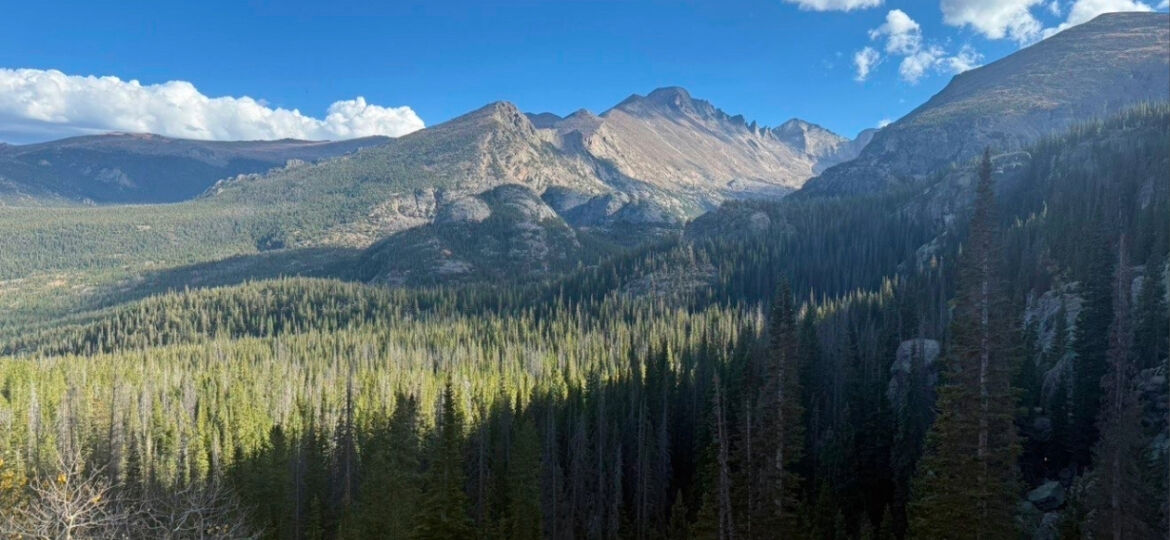
A view in Rocky Mountain National Park on Oct. 12, 2026. (Photo by Katelyn Emmons)
Neguse and Dennison diverge on conservation, wildfire resilience and public lands
From the trails and ski resorts in the Rocky Mountains to the public lands and forests surrounding Boulder and Fort Collins, Colorado’s 2nd Congressional District is home to some of the state’s most recognizable outdoor spaces.
Rocky Mountain National Park, multiple national forests and miles of public land provide opportunities for hiking, fishing, hunting and other outdoor activities while also supporting the natural habitats of wildlife and local economies.
Environmental policy doesn’t only include protecting these spaces, it also means making decisions about wildfire prevention, water conservation, energy production and how public lands should be managed.
These issues are becoming a topic of disagreement between U.S. Rep Joe Neguse and his Republican opponent, Kelley Dennison, as they campaign for Colorado’s 2nd Congressional District in the 2026 election. Neguse is seeking his fifth consecutive term in the House, where he is the assistant Democratic leader.
Both candidates have expressed support for protecting Colorado’s natural resources, but they differ on the role the federal government should play and how conservation should be balanced with economic growth and energy development.
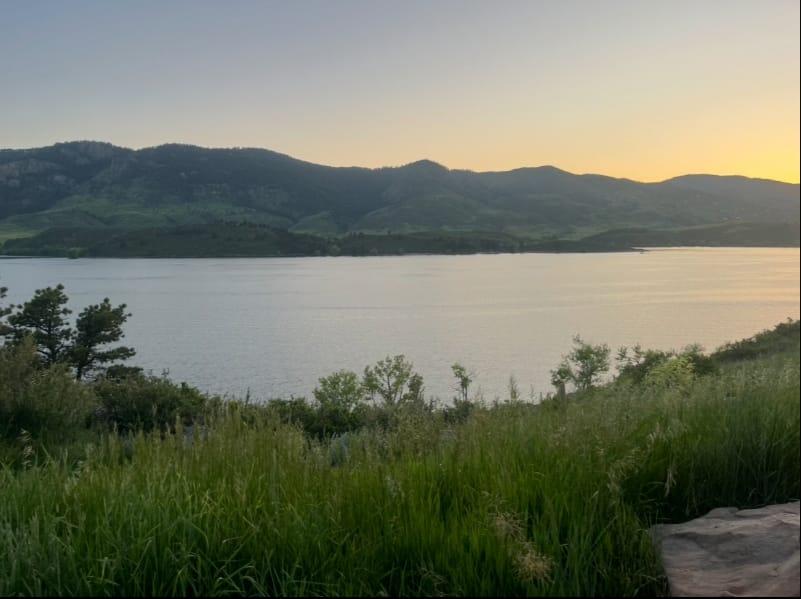
Neguse has made federal land protection a major part of his political career, supporting legislation intended to preserve Colorado’s outdoor spaces and other public lands across the country.
He has been the lead sponsor of bills including the Colorado Outdoor Recreation and Economy Act, the Continental Divide National Scenic Trail Completion Act and the Sarvis Creek Wilderness Completion Act. He has also served as chairman of the U.S. House Subcommittee on National Parks, Forests and Public Lands.
More recently, Neguse has introduced the Protect Our Parks Act and the Save Our Forests Act as part of his efforts to push back against changes to federal land management under the Trump administration.
Dennison’s campaign emphasizes conservation through local leadership and responsible land use. Her platform supports protecting Colorado’s forests, wildlife habitats, mountains, public lands and open spaces while also considering the needs of farmers, ranchers, energy workers and rural communities.
The difference between the two candidates is not necessarily whether public lands should be protected, but who should make decisions about how that protection happens.
“The best governmental decisions always come locally,” said Ed Haynes, a former three-time chairman and current volunteer of the Larimer County Republican Party who supports Dennison.
Haynes said the federal government still has a role in managing national parks and forests and helping communities during disasters. However, he believes Colorado should have more authority over forest management, arguing that the federal government has failed to do enough to clean up forests and reduce wildfire risks.
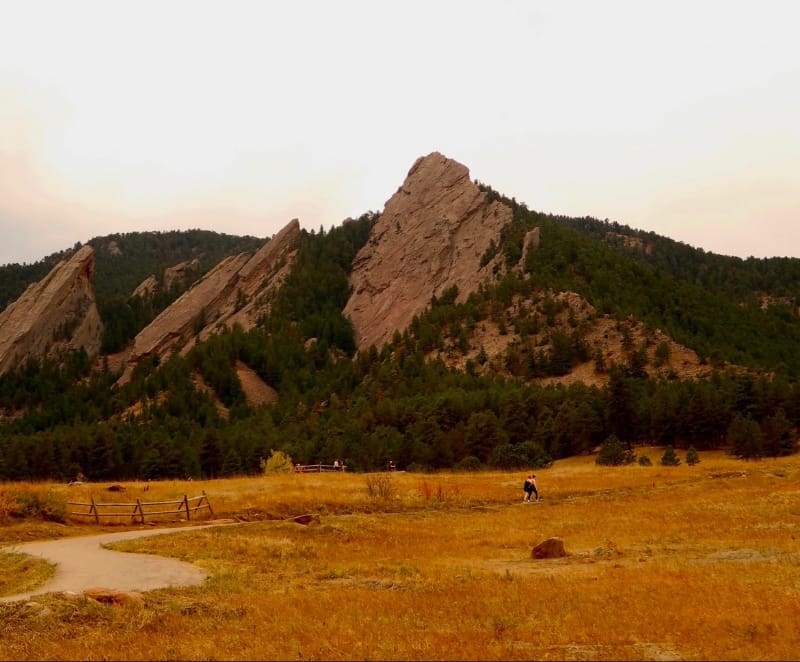
Wildfires are another major environmental issue for communities across the congressional district. Fires can threaten homes, damage forests and watersheds, and destroy wildlife habitats. For residents who lose their homes, recovery can also mean years of financial uncertainty.
Colorado state Sen. Janice Marchman, who represents parts of Boulder and Larimer counties, said she has worked closely with Neguse on wildfire-related issues. She pointed to efforts to improve firefighter training, provide better equipment and help communities recover after fires.
“We have to update our equipment and training for firefighters,” Marchman said. “These small departments don’t have the money for this.”
Marchman said wildfire prevention also involves protecting homes and businesses, improving technology for detecting fires and helping watersheds recover after a fire.
Dennison’s campaign website emphasizes forest health initiatives, controlled burns, watershed management and other forms of proactive forest management. Her approach places an emphasis on responsible land use and giving local communities a greater role in deciding how to manage wildfire risks.
CU Boulder resident and student Kiera Schmeling said wildfire prevention is one of the environmental issues that matters most. She mentioned that fires not only have an impact on homes and communities but also wildlife and vegetation.
Schmelling stated that it is most important to her to hear about measurable evidence of the candidates’ plans, including how quickly communities can recover financially after a fire destroys a home and how effectively wildfire risks can be reduced.
She also wants to know how the candidates will incorporate more diverse voices and perspectives into talks and discussions about environmental policy, especially the people that could potentially be affected most.
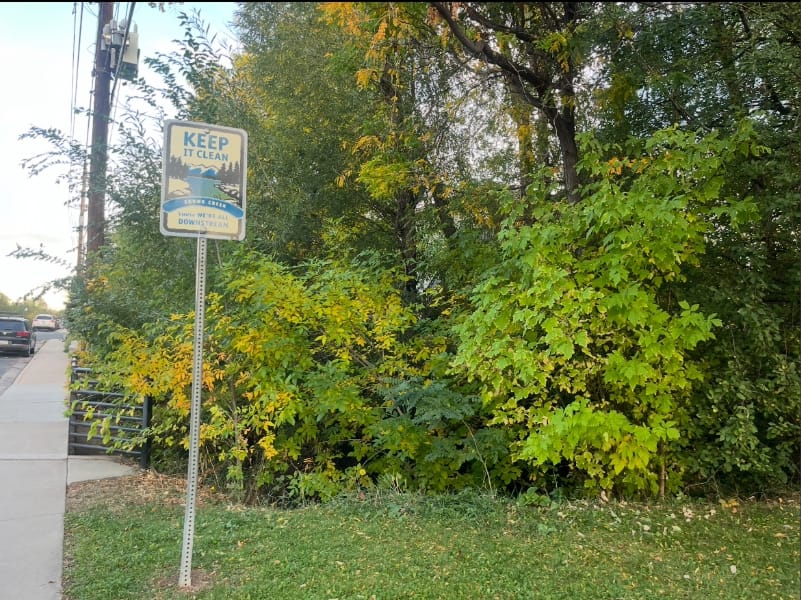
Another environmental challenge for the district is water management and energy production, balancing environmental protection with the needs of the community.
Schmelling said water conservation is one of the environmental issues she wants the candidates to address, both everyday decisions such as limiting water use but also water challenges.
Dennison’s campaign emphasizes watershed protection, and says Colorado can continue developing energy resources while maintaining environmental protections and considering the needs of rural communities.
Haynes believes affordable energy and economic growth should take priority over environmental sustainability.
“I want fossil fuels available to heat my house,” Haynes said, while also acknowledging the importance of clean air.
Haynes also supports additional water storage and building more dams, arguing that Colorado needs to retain more water to meet potential future needs.
Neguse’s environmental agenda has focused on protecting public lands and advancing climate and conservation policies. There have also been concerns raised around the water and energy demands of potential new data centers. This specific issue connects environmental protection with everyday costs. Data centers require electricity and cooling, while expanding energy infrastructure can affect utility rates and local resources.
Marchman also identified data centers as “our biggest potential environmental threat,” saying she’s working on legislation at a state level to require companies to cover the costs of expanding the electrical grid. She also raised concerns about data centers being built without community involvement.
This can lead voters to look towards the candidates to answer the question of how Colorado can protect its natural resources while continuing to meet the needs of residents, farmers, ranchers and energy workers.
Schmelling said protecting the environment also means listening to the people most affected by those decisions, and she wants candidates to include as many perspectives as possible.