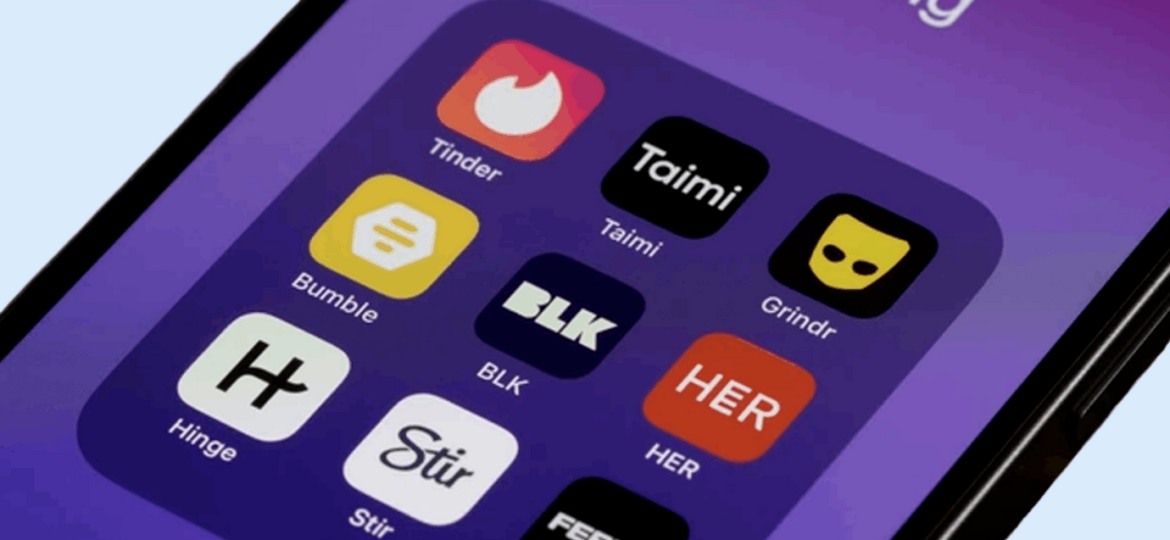
Dating apps and the promise of the easy match up
By Leah Meyer
Podcast TRT 5:26
TRANSCRIPT
Leah Meyer, Reporter: Dating apps were supposed to make things easier. You scroll, you match, you meet someone great. That was the pitch. And sometimes it works out. But other times you’re standing in your own living room watching a stranger you met on Hinge do lines of cocaine off your coffee table on your first date. Welcome to the podcast. I’m Leah Meyer and today we’re talking about dating apps, what they promised us, and what horror stories they actually delivered.
Grace Apel: So we matched on Hinge, and, like honestly, he seemed completely fine. Like, he had normal pictures, he was funny, his profile was like, pretty good, I mean there was no red flags or anything, he was a good conversationalist over text. I honestly had no reason to think anything was off.
Reporter: That was CU senior Grace Apel. She agreed to meet her date for a casual happy hour, and they decided he would come to her place first to pick her up.
Apel: So he shows up and we’re kind of just like, hanging out, talking, and it seems totally chill at first. And then he kind of just casually pulls out this filled-to-the-brim dime bag. Like it was nothing. And he just starts doing lines, right there, in front of me. And I think I just kind of like stood there for a second because I genuinely could not process what was happening. And he probably did like at least 12 lines right in front of me.
Reporter: This was before happy hour. Before they had even left the house.
Apel: And the thing that really got me was how unbothered he was about it. Like he did not read the room at all. Like first date, before dinner? Are you serious? He just like looked up after me and was kind of like, okay like, are you ready to go? And I just remember thinking, like, this is really the guy that the algorithm picked for me today. Great. Like, this is my best match? Are you f–cking kidding me? I mean I still went for the free margarita, like, at least he paid.
Reporter: Apel’s story gets laughs, and it should. But according to a 2023 Pew Research Center survey, 79% of dating app users describe their overall experience as negative — and many report what researchers are calling “dating app burnout.” So if it’s this bad, then why do we keep swiping?
Reporter: Apps like Hinge and Tinder may be optimizing not for connection, but for engagement. And horror stories, it turns out, are great for engagement. To understand that, I spoke with Kate Friedel, a tenure-track professor of communication who wrote her dissertation on dating apps.
Kate Friedel: We do know that they make money off of loneliness. They make money off of, um keeping you tied to the app, just like social media platforms do. It is, it is really this quandary of like, are you really trying to help people connect, or are you just trying to dangle that carrot only so much as it keeps people on the platform.
Reporter: And when the app isn’t delivering on it’s promises, the dates themselves can get pretty weird. Calvin Cummisky, a CU senior, found that out the hard way.
Calvin Cummisky: I feel like dating apps as a gay man come with their own kind of specific bulls–t. Like, the pool is already smaller, so you’d think people would be more intentional. But then you go on dates, and then you realize it’s just not that. It’s not intentional.
Reporter: Cummisky matched with a guy on Tinder and, after a week of what he described as genuinely good conversation, agreed to meet up for dinner.
Cummisky: So we sit down, and immediately I can tell something is off. He is just nothing like he was over text. Like, completely different energy. Like, short answers, kind of dismissive, and he kept looking around the restaurant. And I’m thinking, okay, maybe he’s just nervous.
Reporter: It was not nerves.
Cummisky: And about halfway through dinner, he gets a text and his whole demeanor just shifts. And then he tells me, all of a sudden, that his ex just showed up to the same restaurant. On purpose. Because apparently my date had told his ex where we were going. I don’t know if it was to make him jealous, or to test something, I don’t know. Or even to include me in their freaky situation as like their third? But suddenly, I’m a pawn in his relationship drama when I thought we had some sort of connection.
Reporter: Cummisky said goodnight and deleted the app before he got back home.
Cummisky: And the thing is, uh, like, I don’t even fully blame him. These apps create this environment where everyone is kind of like performing and trying to be the best version of themselves, and then you meet in person and that all just falls apart. It’s built for, like, concepts of a connection, just not the real thing.
Reporter: Friedel says it’s a pattern she sees constantly.
Friedel: Over and over again, I see this disconnection or dissociation as a form of coping with burnout. People are burnt out because the dating apps are not fulfilling their promise to connect them with somebody that they want to be connected with. You just have people matching but not connecting, over and over and over again.
Reporter: And for those genuinely hoping to find someone, that makes it even harder.
Friedel: There’s also people on there getting really burnt out because they’re hoping to find their person, and it’s just not happening because they’re having to weave through the people who are just there for surface level contact.
Reporter: So what helps? How can we find success on dating apps? Friedel keeps it simple.
Friedel: I think if we just treated other people better and we limited time on the apps, like I think that they would do a much better job at facilitating connection in the way that they’re supposed to.
Reporter: Maybe the apps were never really the problem — or the solution. How we show up on them might be. Thank you for listening. I’m Leah Meyer.