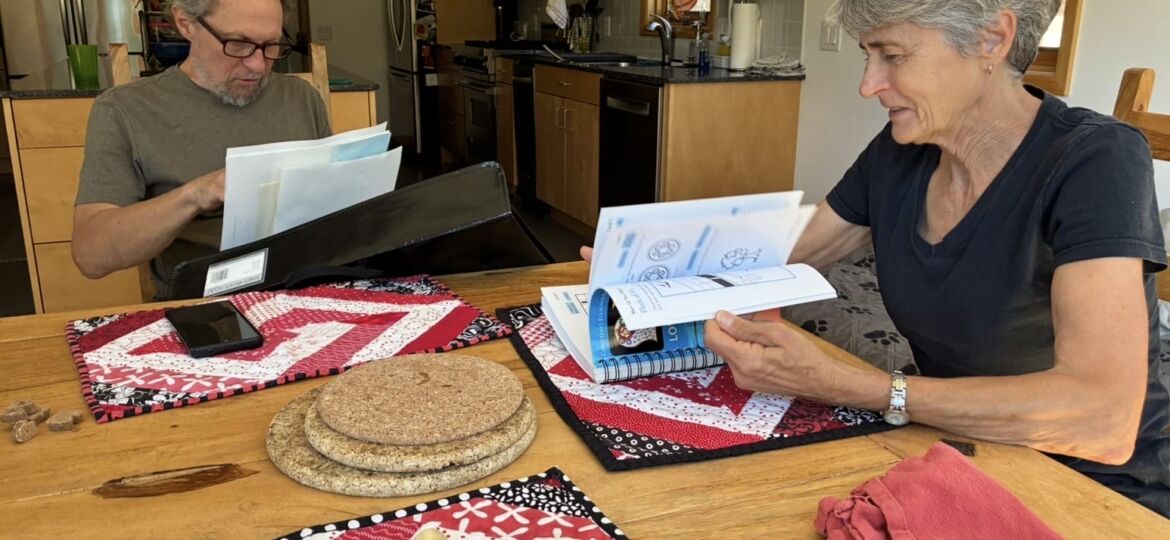
Doug Morgan and Mary Copeland sit at the dining table of their home in Boulder, Colorado, on Oct. 1, 2026, looking through books and art pieces from Morgan’s recovery from West Nile virus. (Photo by Paxton Haines)
The inner workings of West Nile virus are mysterious. One patient’s story reveals its perils
Boulder Community Health’s intensive care unit quickly filled up in 2022. One patient was in a coma. Another could barely talk or move their body. A third had seizures.
Dr. Doug Morgan had to tell these patients their chances of surviving the virus they all had: West Nile virus, a mosquito-borne virus from the same genus that contains the Zika virus and yellow fever.
One afternoon, Morgan was walking out of the ICU and couldn’t stop shivering. Flu symptoms emerged. Morgan went to bed moaning and chattering his teeth. He suspected the reason why.
“I spent the next two days shivering uncontrollably with 103-degree fevers,” Morgan said. “It was to the point that my muscles all over my body were so sore.”
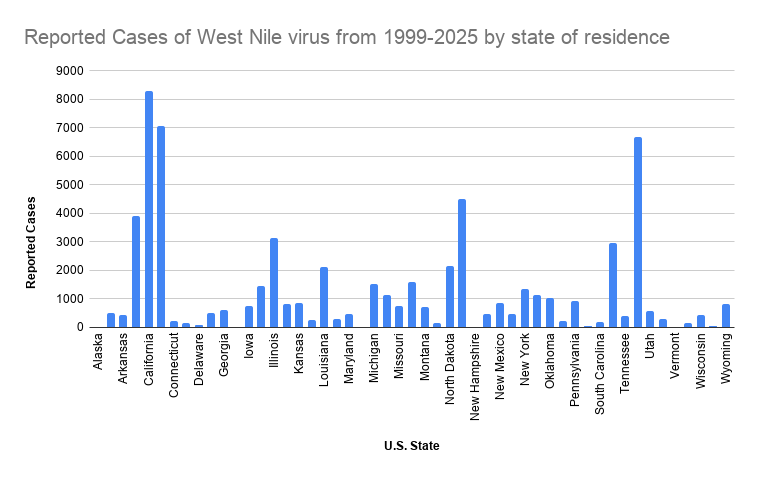
Colorado has the second-most total reported cases of West Nile virus of any state since the virus was first reported in the United States in 1999, according to the U.S. Centers for Disease Control and Prevention.
Scientists are still trying to understand how the virus enters the brain, but know how an arid state like Colorado can prevent this sometimes-deadly disease from infecting more people.
It got to the point that the symptoms were intolerable, and Morgan needed to be taken to the emergency room. He was admitted and had tests run like normal. Morgan had West Nile. Shortly after, his mind went completely blank.
“There were at least four doctors who visited me to take care of me, that I have no recollection of their visits,” Morgan said.
Most of the narratives of Morgan’s hospital stay were remembered only by his wife, Mary Copeland.
Morgan’s brain went dark for three days. His first memory since being admitted to the hospital was a doctor asking about past medical history. Morgan brought up a past surgery. There was no such surgery. The virus made Morgan delirious. He recalled past events that never actually happened. He had hyper-realistic dreams that he never knew were just visions.
“It was basically like a psychosis,” Morgan said.
The virus only infiltrates the central nervous system of 1% of people who contract it. If it becomes neuroinvasive, it can cause serious damage to the body. West Nile can infect cells in the brain causing encephalitis. The tissues surrounding the brain can get infected and cause meningitis. Infection in the spinal cord can cause polio-like weakness.
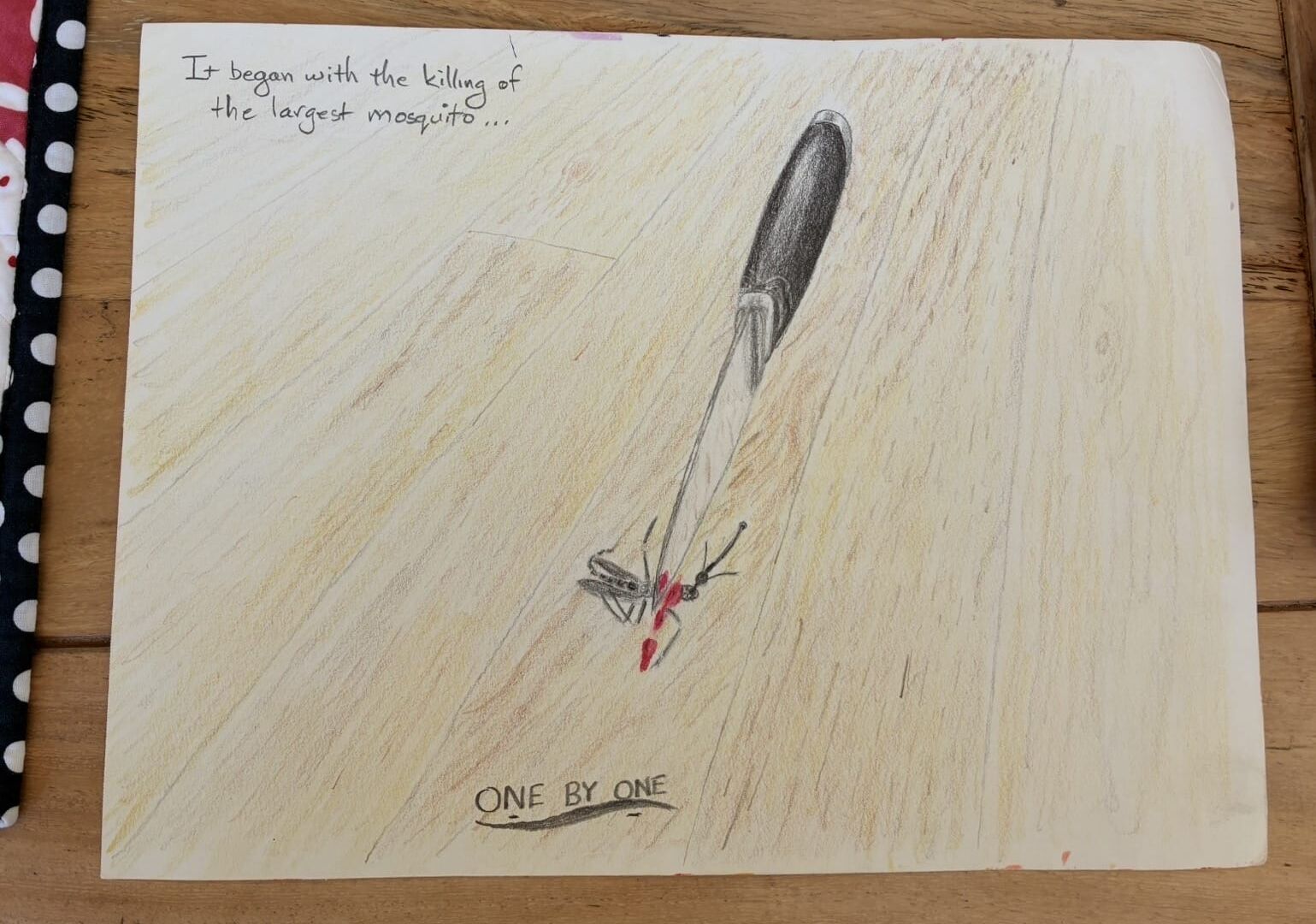
West Nile virus starts with birds, the primary host and reservoir for the virus. The virus is spread to mosquitoes of the Culex genus, then spread to humans. Humans are considered the “dead-end” of the viral cycle, so a mosquito without West Nile cannot bite a human and contract it.
Colorado is not considered a very “buggy” state due to the dry climate and high altitude. Why is a mosquito-borne illness so prominent, then?
Dr. Bob Belknap, executive director of the Public Health Institute at Denver Health, said the hot, dry summers and irrigation bring infected Culex mosquitos and humans together.
“The limited pools of water both naturally and associated with agriculture are prime breading grounds for mosquitoes, and tend to concentrate birds and mosquitoes together,” Belknap said. “Having a large population on the front range with many Coloradans enjoying outdoor activities provides lots of opportunities for infections.”
Scientists are still researching how the virus infiltrates the blood-brain barrier – the highly selective, semipermeable border that separates blood from the brain’s fluid – on its way to the central nervous system.
“Some possible ways that it could get in are via direct infection through the blood vessels, breakdown of the blood-brain barrier from generalized inflammation, passage inside of immune cells, or backwards movement from infection of peripheral nerves,” Belknap said.
The receptor West Nile uses to take over human cells is still a mystery to scientists.
“Viruses are very specific, not only to what species they infect, but what tissues in that species they infect,” Mauricio Alvarez, a Ph.D. student studying virology at the University of Colorado Boulder, said. “We know what (most viruses) need to find in a cell to get in. Influenza uses a sialic acid, HIV uses CD4, COVID uses the ACE receptor. We don’t have that for West Nile.”

There is no single treatment for West Nile virus. Doctors can only give supportive care to patients while the virus runs its course. Discovering the avenue West Nile uses to enter cells and cross the blood-brain barrier can give doctors and scientists better ideas for a specific treatment.
“It would give a target for interruption for treatment to go in there,” Alvarez said.
There is also no human vaccine for West Nile. Only a vaccine for horses exists. Dr. Amie Meditz, an infectious diseases specialist at Boulder Community Health, says a vaccine for West Nile can’t be proven to work and be safe, yet.
“The disease is so epidemic that it’s very difficult to study,” Meditz said. “Let’s pretend we vaccinated some people last year, but this year we have much fewer cases. You can’t tell if it’s efficacious.”
Prevention of West Nile just comes down to protecting oneself from mosquito bites. Meditz says deet, picaridin, and certain preparations of lemon eucalyptus oil are the only bug sprays that effectively prevent bug bites. Don’t let water stand around the house, and have screens on windows.
But Belknap noted that West Nile virus is “difficult logistically and costly because transmission is unpredictable.”
Morgan said that when he was sick, he was still worried about the well-being of his patients, even though he also needed months of rehabilitation to recover from the virus.
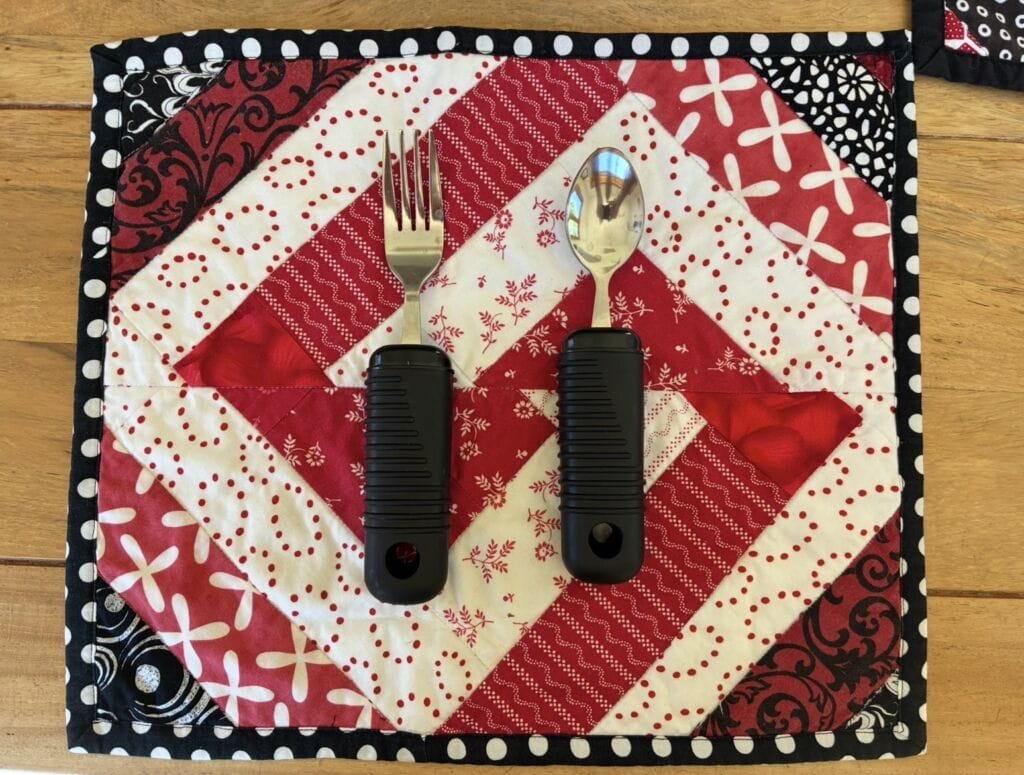
He had to relearn gross and fine motor skills. He used utensils with fat, sticky grips to eat food because his hands couldn’t stay still.
Copeland showed a book of brain teasers they used to get Morgan his knowledge back.
“After a couple of weeks, it got to the point where I was able to do a little bit and do them really slowly,” Morgan said. “It took a whole month for those things to really settle down.”
Now retired, he lives a normal life in Boulder with his wife and two dogs.