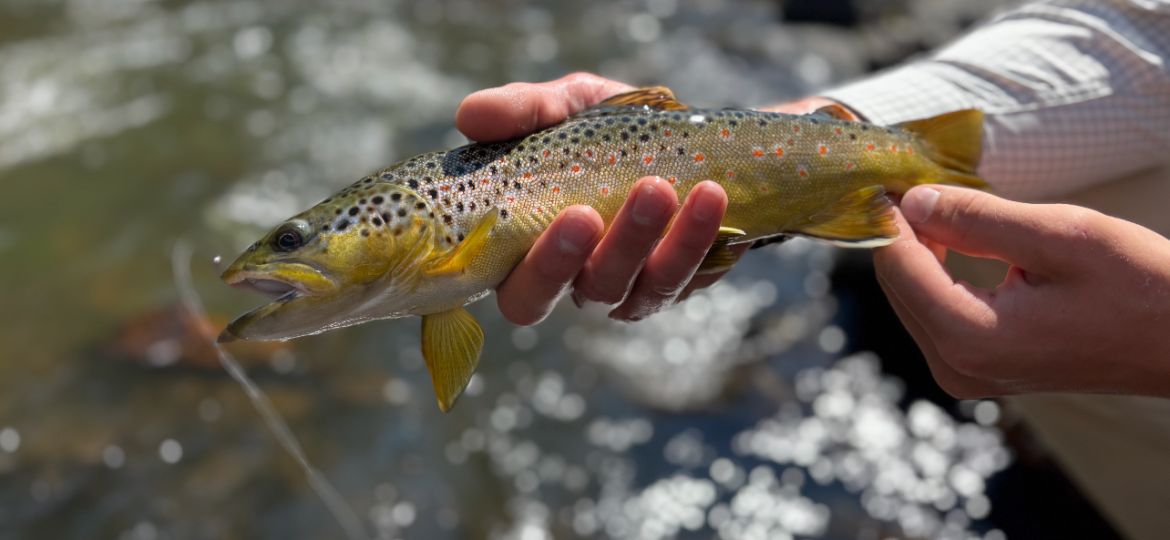
Fly fishing on the shrinking Colorado River
By Avery Ehrig, Contributing Writer
Fifteen members of the University of Colorado Boulder’s Fly-Fishing Club packed their gear into cars and headed to Grand Junction for a day on the Colorado River. On the drive down, they talked about casting lines and landing big fish, but those hopes vanished the moment they arrived.
“This can’t be good,” said club member and CU business major Kevin Garvey.
The river moved in calm, gentle currents. Tall grass lined the water’s edge, creating wide avenues of dried mud and sand. When the students approached the river, the fish scrambled and darted under rocks.
“It’s not normal for them to hide like this,” Garvey said. “We usually see them right at surface level.”
It’s an observation anglers will likely notice this season, as Colorado’s anemic snowpack threatens the Colorado River, which supplies drinking water to seven states including Colorado, Arizona, Nevada and California. According to the City of Boulder, the Colorado River supplies one third of the water for Boulder Creek and the Boulder Reservoir. The drought has overwhelmed the ecosystem here.
Garvey casts his line out to riffle over what he had hoped to be a deep pool where trout might be. For an hour, cast after cast yielded nothing until he finally got a bite. The fight wasn’t exciting. The catch not impressive. Garvey accepted the day was a bust.
“It really sucks when you return to a reliable spot and the fishing has changed,” he said.
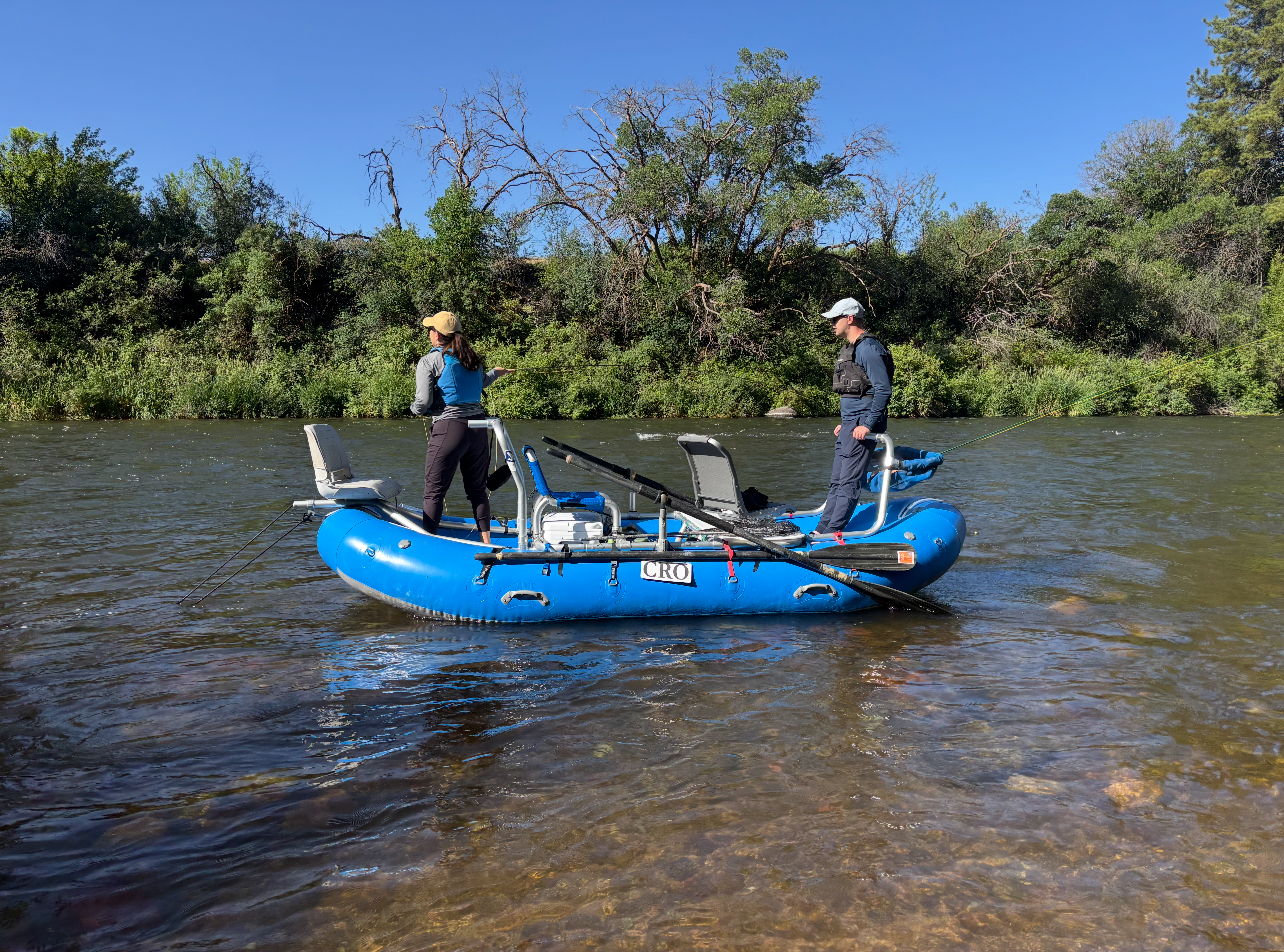
Garvey grew up fishing and when he visited the area years ago with his family, the water was harsh, vibrant and rushing and the fish came to the surface. Now, he says the fish seem skittish and perhaps less likely to present themselves because of the rising water temperature.
“I’ve definitely noticed changes in fishing quality at different spots over time,” he said. “We do the same trip every year to the Colorado River, but this year, things were noticeably different.”
Veteran fishing guide Chase Kelly often tags along on these club trips. He’s been working with visitors for more than 10 years, and several club members rely on his experience.
“We’re in about a 30-year drought right now, and it’s only been getting worse,” Kelly said. “Instead of feeding, the fish are stressed. Their metabolism slows down and the mortality rate goes up in hotter water.”
At midday, some students noticed parts of the river were unusually warm. They waded through the water where floating fish carcasses appeared colorless and dull.
“I’ve never seen anything like this,” Garvey said. “I wonder what happened to all of them.”
Kelly has seen the fish suffer before. In 2020, he saw how the Glenwood Canyon Fire negatively impacted the river water density and damaged the fish population.
“All that dirt and gravel washed into the river, and I think a lot of fish suffocated during that time,” Kelly said.
The environmental impacts have created unintended consequences, pushing Colorado River guides and fishermen elsewhere. Tributaries such as the Roaring Fork are also feeling the pain.
“It’s not uncommon to see 30, 40, even 50 guide boats on the Roaring Fork when other rivers shut down,” Kelly said.
Mitch Tobin, journalist and co-director of CU Boulder’s Water Desk, conducted research studies on the shrinking of the Colorado River.
“The Colorado River is primarily driven by snowmelt,” he said in an emailed interview. “Warmer temperatures are shifting precipitation from snow to rain, which could dramatically affect the timing and magnitude of runoff.”
People rely on the Colorado River to live.
“The river supplies tens of millions of people with drinking water and supports ecosystems, agriculture and recreation across the region,” he said. “Low flows can harm outdoor recreation and increase wildfire risk in the warmer months ahead.”
While there are efforts to help the recovery of the Colorado River, it’s unknown how states that rely on the river will adjust to limitations on water access.
“The question is whether communities that depend on the Colorado River can adapt quickly enough to a smaller river,” Tobin said.
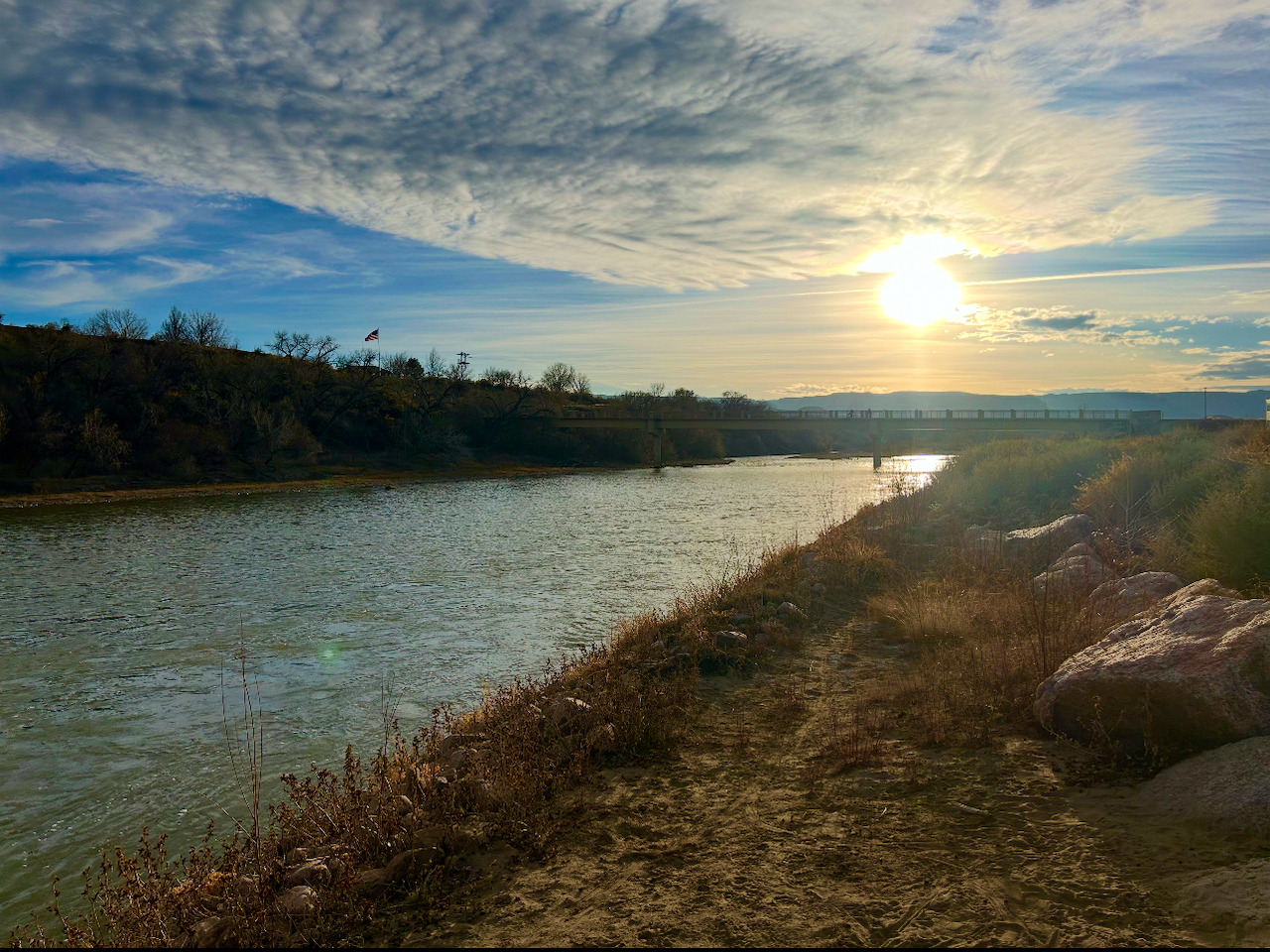
As the sun started to set, the fly-fishing club moved to one last spot in hopes of catching fish. Members trekked through the water, which was still only as high as their ankles.
“Trout are very delicate fish and don’t like changes in their conditions,” Garvey said. “So even small adjustments can have huge impacts on their populations. Hopefully people can treat their natural environment better and keep fly fishing available for people who care about it.”