Trump’s attempt to dismantle NCAR
By: Baylan Wysuph
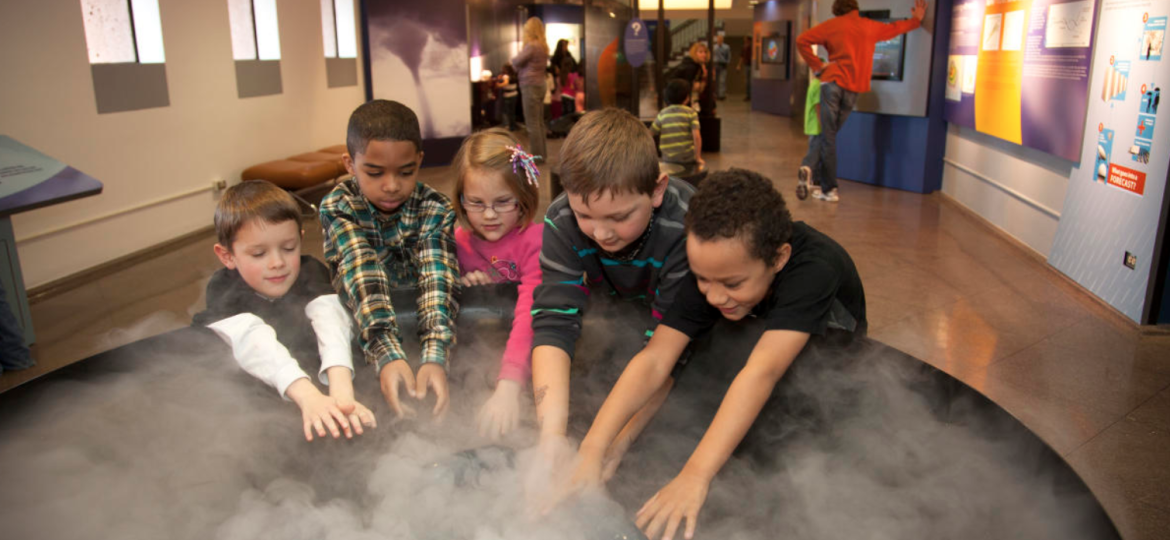
A bus full of elementary school students rolls up to the National Center for Atmospheric Research (NCAR) at the top of Table Mesa Road in Boulder. When they get inside, they play with interactive exhibits like a giant globe covered in moving clouds, a tornado chamber and a lightning bolt tube that lets them marvel at the wonders of environmental science.
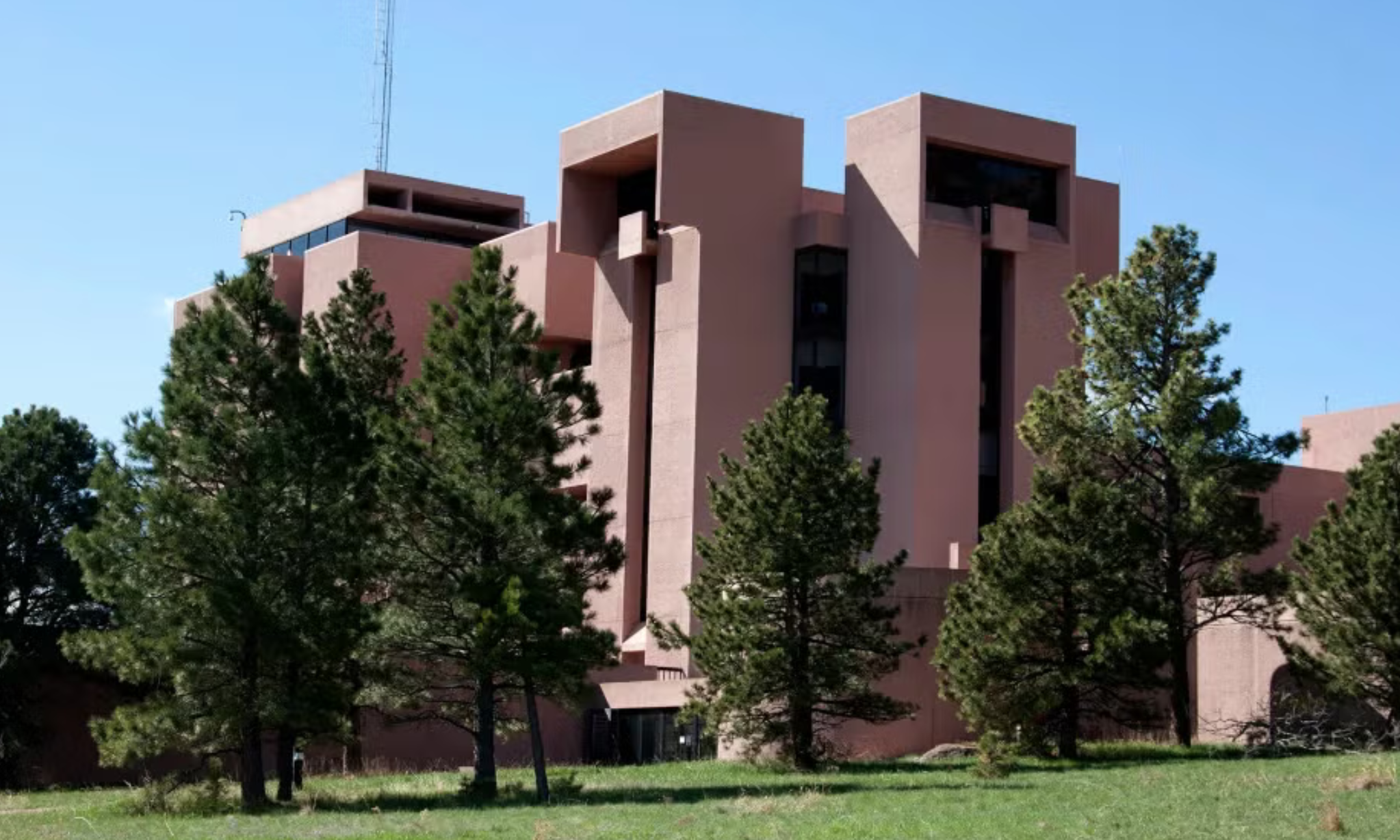
NCAR has played an important role in international climate and atmospheric research for the last 65 years. The center ranks in the 10th percentile of all research centers in the world, according to Scimago Institutions Rankings.
“NCAR was born over a set of commitments here in the United States to push forward and be a world leader around science in general, atmospheric research, weather, so on and so on,” said Maxwell Boykoff, an environmental studies professor at the University of Colorado Boulder. “They have more than 800 employees but serve billions of people.”
While NCAR is one of the prominent climate research centers in the world, it’s now under threat by the Trump administration.
President Donald Trump’s director of the office of management and budget, Russ Vought, announced in December the government’s intentions to break up the research center. He accused NCAR of “climate alarmism,” alleging the center exaggerated the effects of widespread climate change. This mirrors the public attitude of President Trump, who has repeatedly called climate change a “hoax” and a “con job.”
The threats to NCAR come after Trump’s proposed $1.7 billion cut to the National Oceanic and Atmospheric Administration’s budget for 2026, his effort to remove nearly all of the NOAA’s climate research labs across the world.
NCAR was established in 1960, succeeding in the National Science Foundation’s initiation ten years earlier. After World War II, American engineer Vannevar Bush published a book in 1945 titled “Science, the Endless Frontier: A Report to the President on a Program for Postwar Scientific Research.”
The original 200-page foundational report urged President Harry S. Truman to begin founding true, stabilized scientific research that would support the growth of data and evidence-driven scientific research.
“Few people know the extent of environmental damage in the U.S. or globally,” said Matties Jahde, a CU environmental studies student. “It’s terrible because if people don’t know what’s going on, people can’t make change.”
Yale University author and doctoral student Colin Carlson compiled a comprehensive list of scientific discoveries that NCAR has made. In addition, the research center played vital roles in creating various climate representation systems like the Weather Research and Forecasting Model and Community Earth System Model, two of the most widely used atmospheric modeling systems in the world.
“Let me count the ways,” Boykoff said about the role NCAR plays in global environmental research. “Climate change is part of it, but not all of it. Extreme event detection and warnings, weather, water conditions, water quality, water quantity, wildfires… everything from understanding earth and science, mapping the ocean floors, setting up research stations at the polls to helping places detect turbulence.”
The Trump Administrations says NCAR is under review for alleged “green new scam research activities.” If the administration deems the review incriminating, Vought said any vital activities such as weather research will be moved elsewhere. It is unclear how many of the 830 jobs at NCAR will be affected.
Right now, no one at NCAR is allowed to speak on the matter. Still, Boykoff stressed the devastating effect that losing NCAR would have on environmental research.
“If you think about eliminating the ability of us to monitor and then make recommendations to a local community, we’re basically hampering our own ability to protect ourselves,” Boykoff said. “If we decide to stop all of this, we just put ourselves in more danger. We’re more vulnerable. We’re doing it to ourselves, and it’s really devastating.”