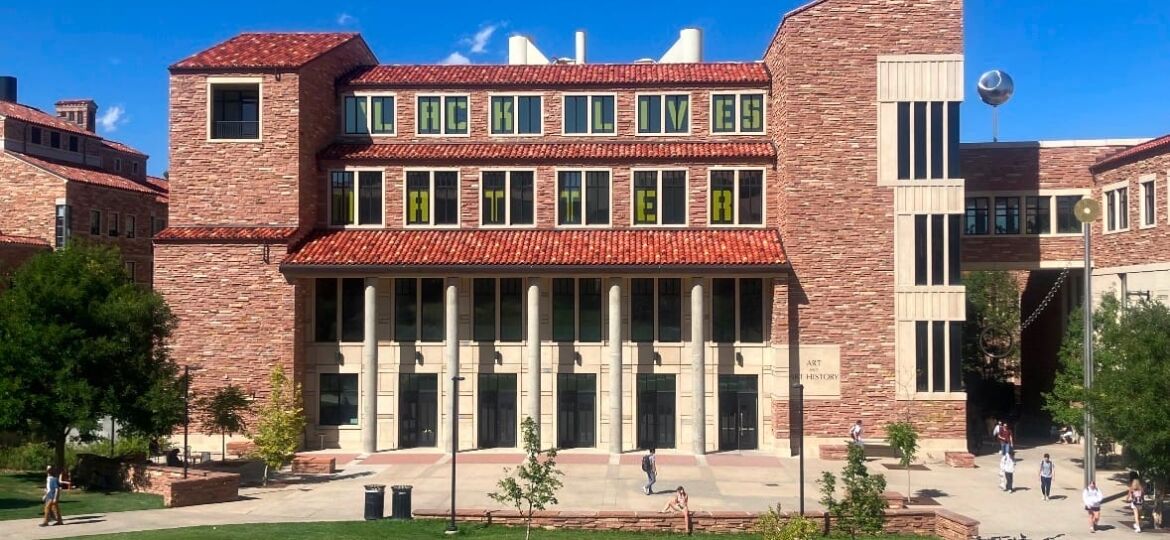
A photo of the Visual Arts Complex on CU Boulder’s campus in October 2026. (Photo by Jane Kiernan)
What to know about the three CU Board of Regents races
BOULDER, Colo. — While Colorado voters consider some high-profile seats and ballot measures this November, there are three races that’ll help determine the future of the University of Colorado system.
Three seats on the nine-member CU Board of Regents are on the Nov. 3 ballot; these districts cover the same geographic areas as congressional districts 2, 6, and 7. The board oversees the CU system and makes decisions involving university finances, tuition for in- and out-of-state students, and policies that affect the institution’s community at large.
District 2 is an open seat, with Democrat Edie Hooton going up against Republican Marty Neilson in a seat that encompasses Boulder.
A key issue that has emerged in this race is affordability.
Hooton, 68, who previously served six years in the Colorado House of Representatives, is prioritizing affordable tuition for in-state students and improving student retention and graduation rates.
“I am advocating for protecting the students and their families, and obviously one of Colorado’s golden gooses, which is the (flagship) university,” Hooton said.
Hooton’s experience in state government could give her knowledge of the relationship between state funding and higher education. An anticipated $87.1 million drop in research money due to federal funding cuts has led to a need for diversifying the CU system’s funding sources.
But will political experience or an alternative background help carry the candidates?
Marty Neilson, an 84-year-old career long financial executive and current contract CFO, is running as a Republican in District 2.
Neilson, who didn’t respond to a request for comment, said on her campaign website that she aims to provide students high-quality affordable education, plans to “protect the strongest research programs,” and “expand research funding beyond federal agencies by developing partnerships with industry, philanthropy, foundations, and state-supported innovation programs.”
With her direct support for CU’s research, Neilson has said on her website that she hopes to bring her background in finance to the Board of Regents and influence CU’s approach to funding possibilities.
While Hooton and Neilson have outlined their priorities for the university, students have their own expectations for the next regent representing Boulder.
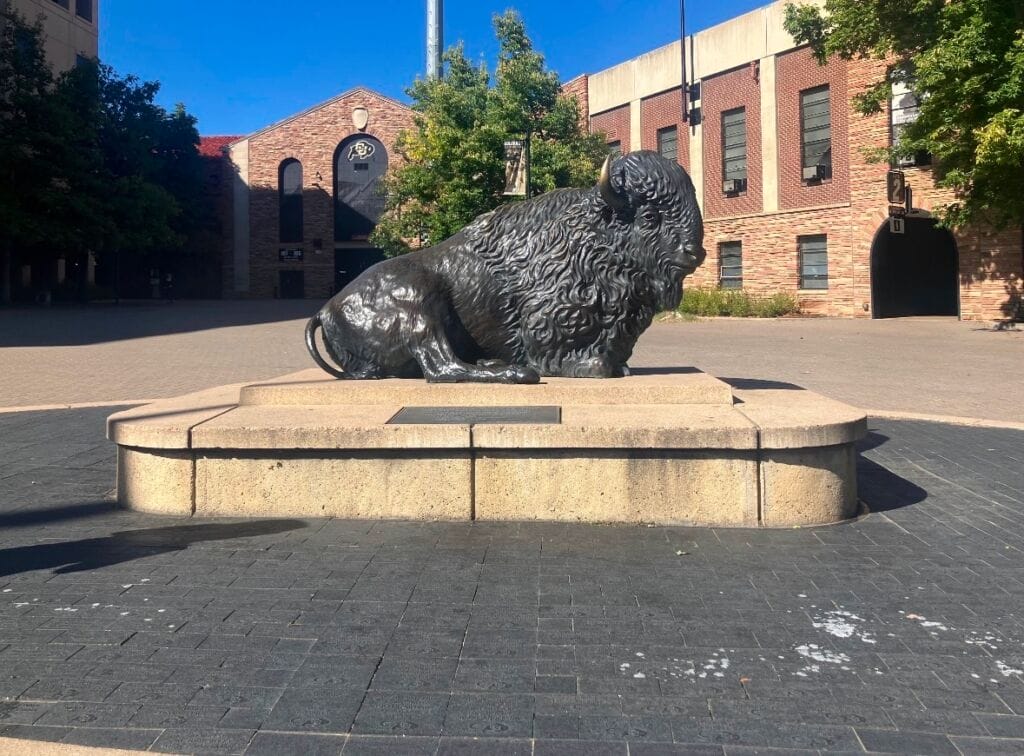
Sophia Alberga, a junior CMDI student from Berkley, California, can’t vote in the regents’ race since she’s not a Colorado resident, but wants to know how academic opportunities might be impacted by budget changes.
“I’m concerned that I won’t be able to access the same amount of resources that I currently have access to if there is an expected change when it comes to how these things might be funded,” Alberga said.
Candidate goals around affordability bring up another question for CU students: What changes can we expect to see and how realistic are plans to lower and control the cost of attending CU, especially after a recent 3% in-state tuition cost rise.
“I think my first approach would be administrative costs, because there is such a thing, and it’s real, administrative creep,” Hooton said, noting that the regents “have a fiduciary responsibility to closely scrutinize” the budget.
“Administrative costs are a significant part of the budget, and they continue to grow,” she added. “So I would say if there is a sacrifice that needs to be made to protect in-state tuition, it would be on the administrative side, not on the tuition or the programming side.”
Keeping tuition down could make CU more accessible to Colorado students, but the university still has to pay for faculty, staff, facilities and financial aid — and deal with roughly $30 million less in direct federal research funding (with additional cuts to more specific areas).
The unpredictability of these cuts raises a major concern for incoming and current students like Hannah Tuohy, who is a CMDI sophomore at CU Boulder.
“As an in-state student, I think my biggest concern is that things start changing and the difference is noticeable,” Tuohy said. “A large reason as to why I chose CU is because I didn’t feel like I had to sacrifice education over tuition costs.”
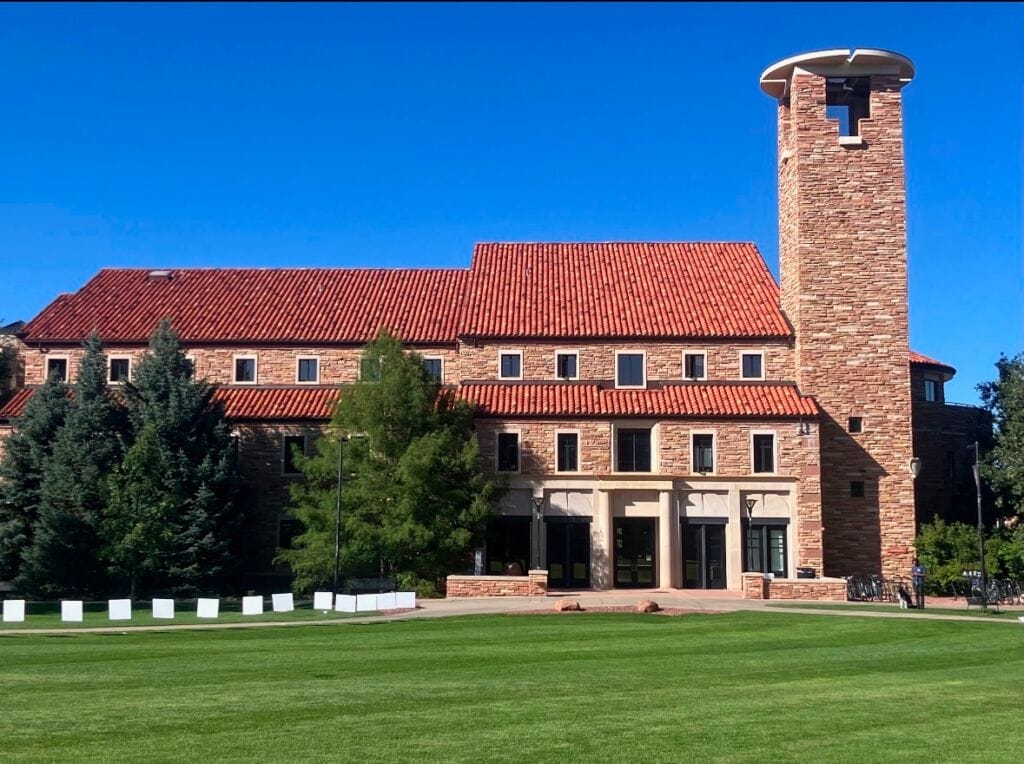
While Boulder-area voters — and beyond — decide the District 2 race, voters elsewhere in Colorado will elect two more members who will also have a say in what the future of CU Boulder and the other system universities holds.
In District 6, which spans the southern Denver suburbs and Aurora, Democratic incumbent Ilana Spiegel faces Republican Veanessa Burbage.
Spiegel already has served five years on the board. Her priorities according to her campaign website include affordability, student mental health resources and equity initiatives. Burbage is campaigning on affordability, accountability and what she calls “common sense” at CU which she describes as being “committed to real opportunity.”
In District 7, which covers Lakewood, Arvada, Golden and Broomfield, Democratic incumbent Nolbert Chavez faces Republican Paul Mueller.
Chavez has emphasized a need for additional state funding, as well as climate change initiatives and a shift in curriculum to support diversity and equity. He also is running on a promise for affordability for in-state students.
Mueller, an economist and educator, who previously taught at The King’s College in New York City, has focused on responsible university spending, free inquiry and making CU politically nonpartisan.
The decisions made by regents in any district affect students across the CU system.
CU Boulder out-of-state junior Trudy Hiber, who is majoring in political science, said knowing that influence is key.
“If I’m being totally honest, I wasn’t even aware that this election was coming up.” Hiber said. “I think that what is really important is that students — myself included — understand that they have the ability to influence these changes by voting and paying attention to the leadership in our system.”
As constituents start narrowing down and choosing their candidates, the question isn’t just who will fill the three regents seats, but rather how their leadership will shape the future of CU and the students who depend on these decisions.