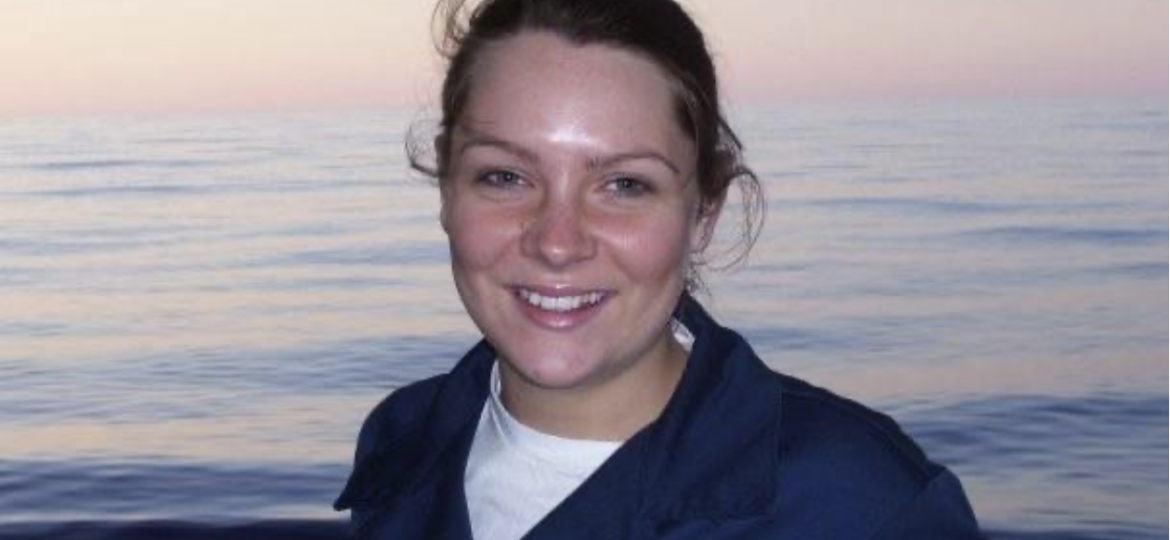
Surrounded: Gender Dynamics in the Navy
By Aiyana Fragoso
Shaylynn Lesinski, née Lynch, learned to adapt to the Navy the hard way. After enduring alleged sexual harassment by a superior officer, she tried to go to the enlisted men for help. They told her that if she pushed the issue, she would be on her own. She learned that she had to be “one of the guys” to survive, and that meant keeping her mouth shut.
“I was playing the game and I was surviving.” Lesinski said. “I put up a fight, but only to a certain extent because I knew that it was futile. There just was no point, because I recognized that it was such a broad system.”
Lesinski is a professor of Media Studies at the University of Colorado, and a military veteran. When she was 17, she served in the Navy, fighting in Iraq and Afghanistan.
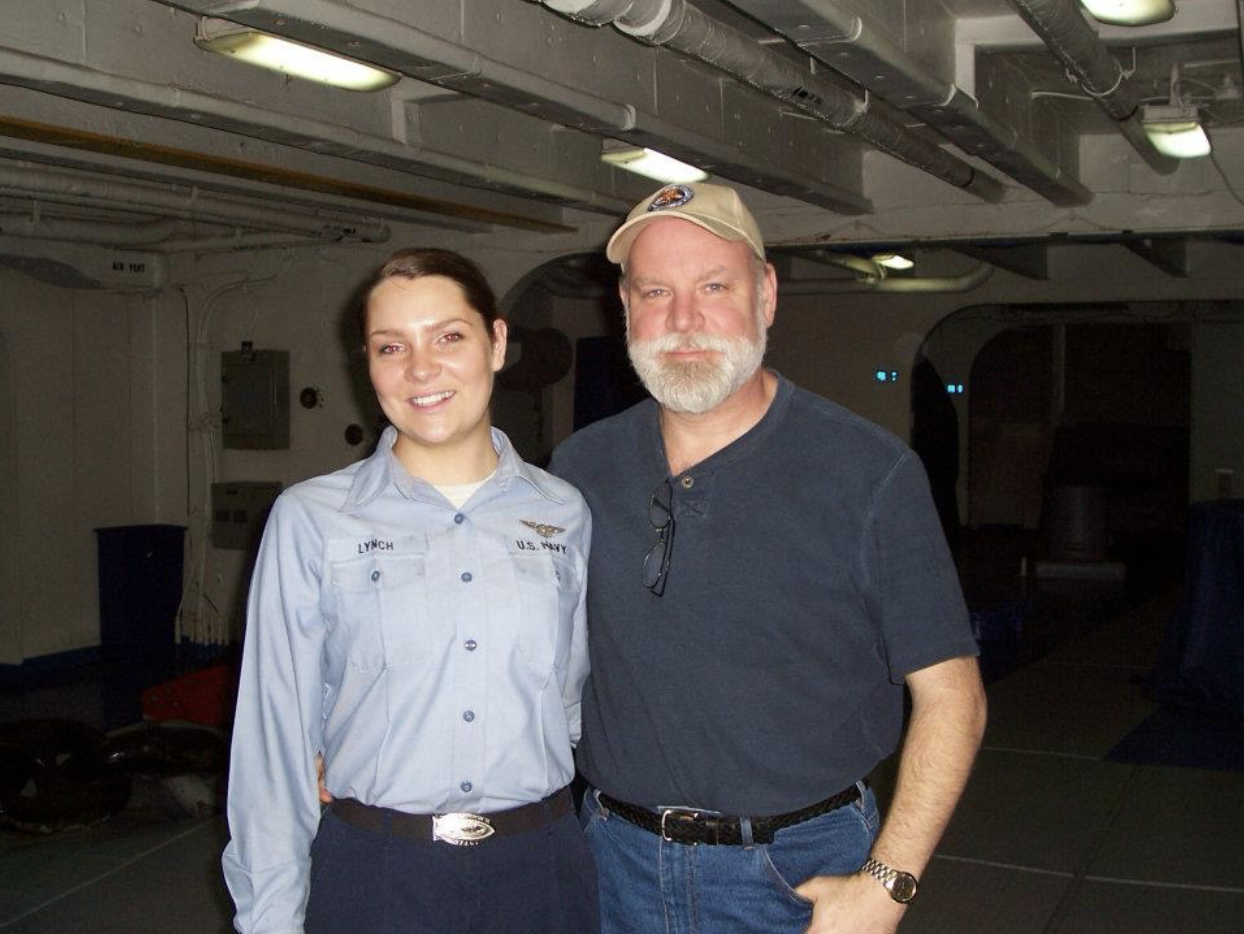
Lesinski worked for the Navy and assisted the Marine Corps. She says her senior chief awarded her high evaluations during training but also warned her about possible sexual harassment she might experience in the Navy. She was undeterred.
“As a young, enlisted female, you’re coming out of your first two schools with a high eval. She was like, you’re basically putting a target on your back,” Lesinski said. “I’m not willing to disregard or undermine my own work, the work that I put in. So, I felt like I earned it.”
Lesinski was prepared to maintain her self-worth.
“Of course, there’s a lot of rumors. There’s a lot of, oh well, she was obviously sleeping with the right person,” Lesinski said. “It was a very sexist environment. That’s literally how it’s structured. Women are taught to be barely seen and definitely not heard, and so you learn to shrink yourself and not draw attention.”
After some time, Lesinski learned to blend into the male-dominated environment. She says she adopted their behaviors and stayed quiet while her male colleagues discussed women in their lives. Leinski says what they saw as locker room talk, she saw as harassment.
“You are expected to assimilate into male culture, and that was the way that you were able to survive,” she said. “If you didn’t do that, then you were an outcast, and I can’t function that way. I could not have. I would have felt so isolated.”
On her ship, women made up 12% of the crew. At her aviation school in Pensacola, women were 35%.
After finishing her time in the Navy, Lesinski moved back to her home state where she studied film at the University of North Texas. She was still one of few women in her field.
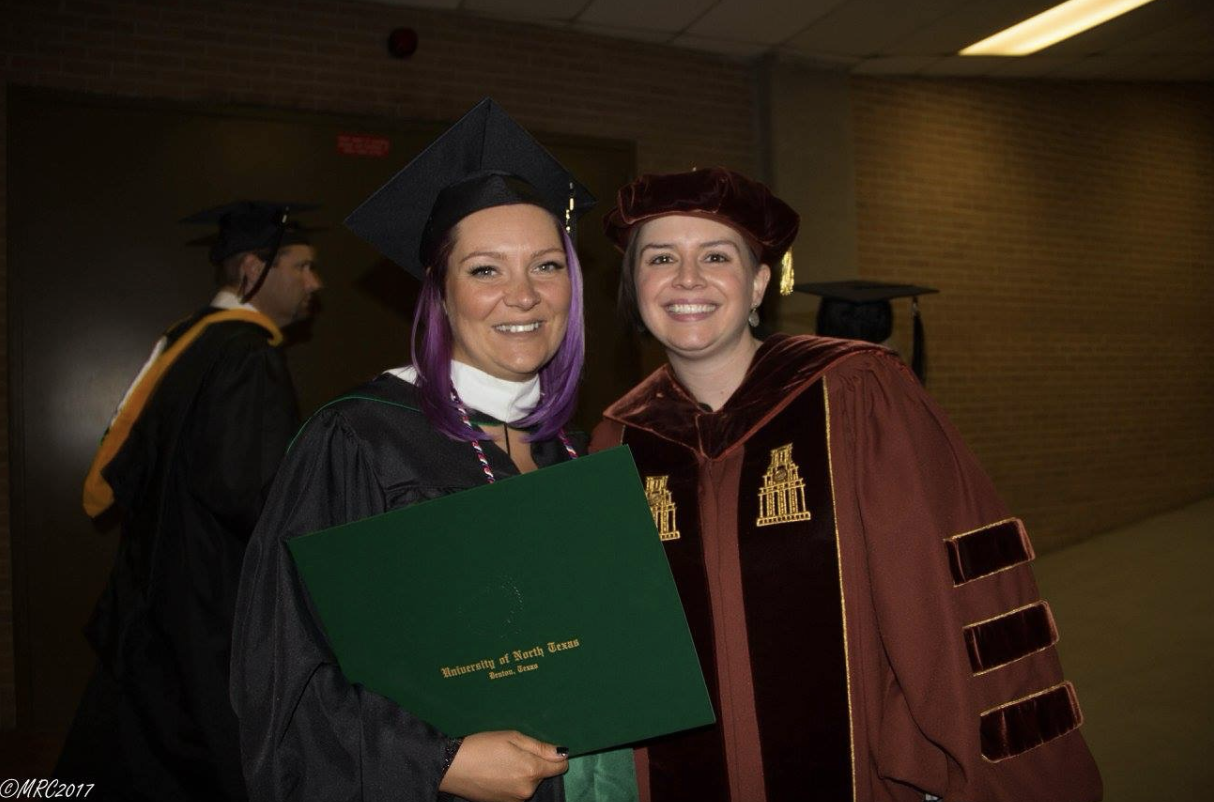
It wasn’t until Lesinski studied gender in media that she was able to understand what happened to her in the Navy. After blaming herself for how she dealt with harassment for years, she was finally able to process what she had been through.
“I’m easier on Petty Officer Lynch now than I was years ago, because I recognize that, like she had very few choices at her disposal, and so, you know, she did what she did, what she had to do,” Lesinski says. “I’m ashamed of a lot of the behaviors and things that I said, but I give myself grace to say that was a child in an environment where there are almost no other examples of women pushing back in those spaces.”
Lesinski drew from her experiences in her career as a professor in media and studies at CU, trying to make change at an institutional level, teaching social issues.
Some CU students see importance in teaching diversity throughout the College of Communications, Media, Design, and Information.
“Teaching diversity right away gives students a really strong foundation of how a different perspective of how to approach the rest of their classes,” Addisson Pribble, a second-year journalism major, said. “CU is a pretty liberal campus, so I think establishing that diversity piece right away is really important.”
Other students, such as second year journalism and political science major Alexia Bailey, have experienced instances of what she felt was gender discrimination.
“We’re not allowed to say DEI anymore, but it’s still very much in our curriculum, and we’re surrounded by it,” Bailey said. “I’ve had professionals refuse to say my first name, cause they thought it was too difficult. And then they chose to learn other male, other men’s names, but not mine on purpose.”
Lesinski reflects on her impact at CU compared to statistics from the beginning of her time here.
“I first started in 2018 as a grad student TA, we were implicated in the documentary ‘The Hunting Ground’ for sexual assault on campus.” she said. “I want to take part in saying that because I’m willing to teach things like diversity. The percentages of sexual assault at CU have consistently dropped since I started in 2018.”
Lesinski continuously makes an effort to combat sexism and other issues at CU.
“The work is being done, even if the result is that I’m hated on one side of the aisle, you know, that’s okay with me,” she said.
Edited by Nicholas Merl