Researchers at the University of Colorado Boulder have discovered a new way of vaccinating people against rabies. This temperature stable, single dose technology, can be applied to various other diseases such as HPV and Rift Valley Fever.
By Isabella Escobedo and Kortney Russell
There is a scene in Jurassic Park where the founder of the park, played by Richard Attenborough, puts on a short, interactive film for a few very important people. The film is meant to explain how dinosaur DNA from “100 million years ago” is being used to bring back the long extinct reptiles. The miracle of de-extinction, according to the film, happened to be mosquitos that fed on dinosaurs trapped in sap from a tree (along with the dino DNA). That sap then fossilized into amber, a glass-like substance, and the encased mosquito became a well-preserved, shelf stable, million-year-old specimen.
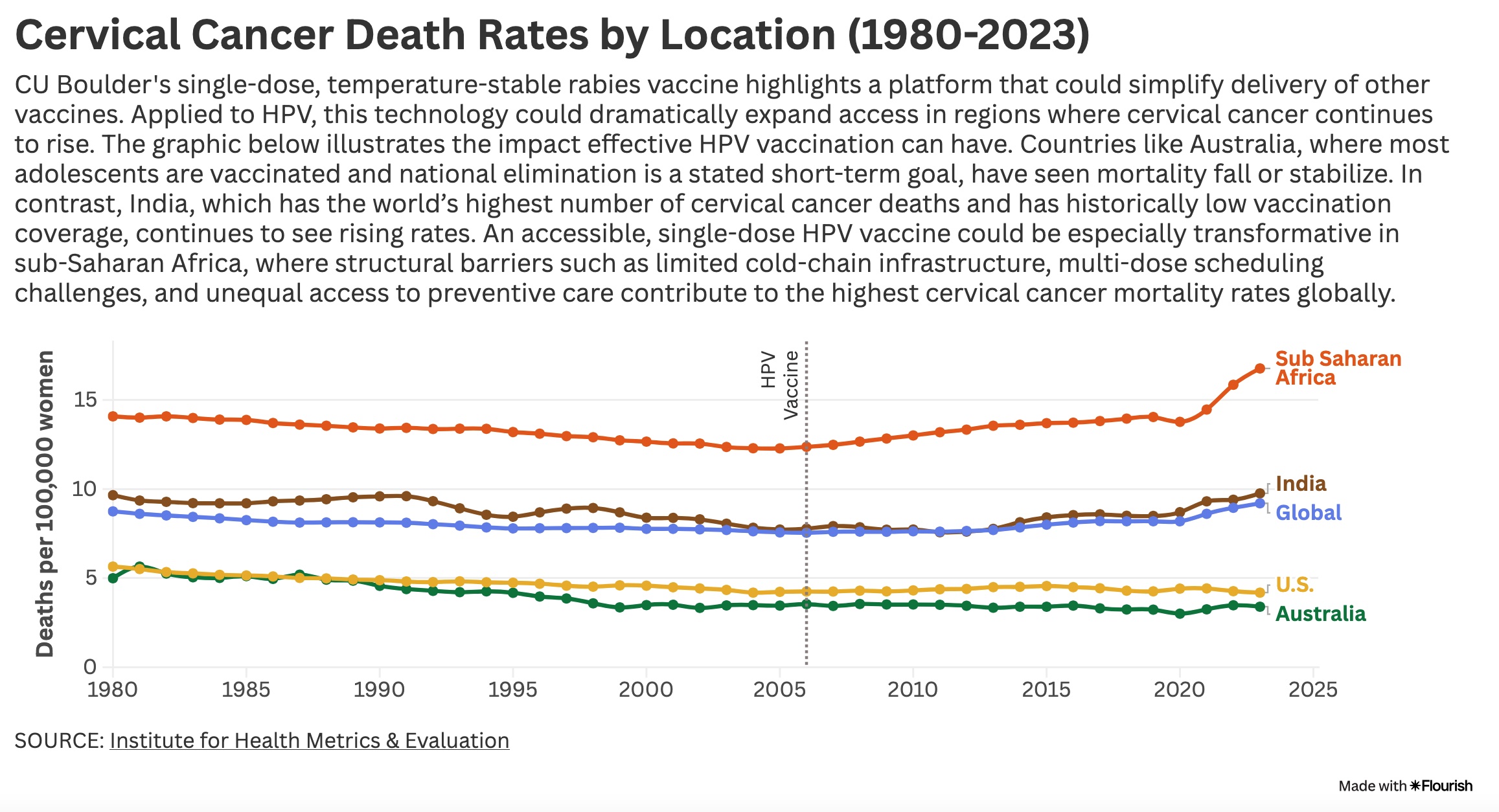
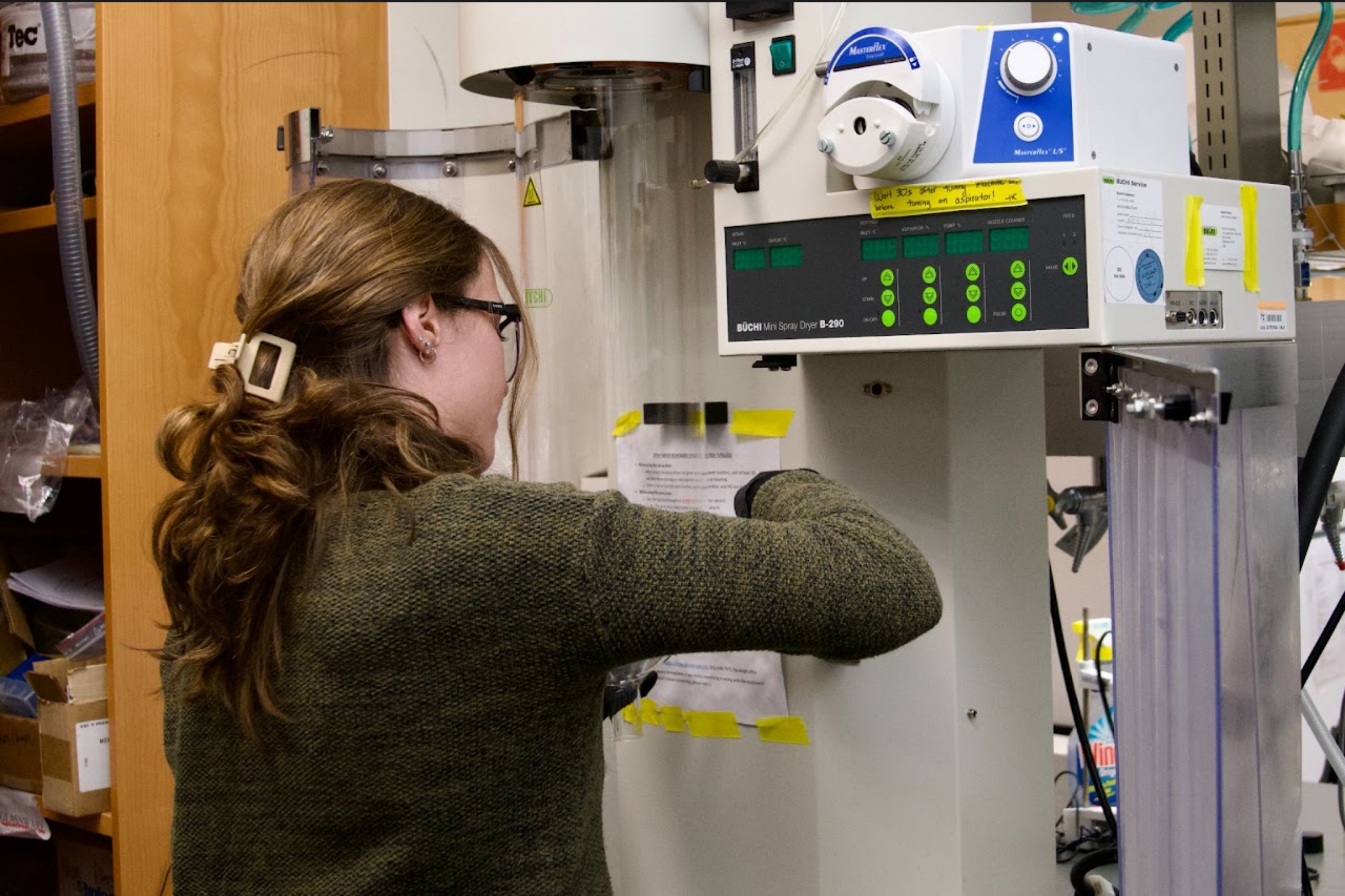
This kind of technology is the first step in a new vaccine method, which allows for single-dose temperature stable vaccines, developed in Ted Randolph’s lab at the University of Colorado Boulder. Rabies is the focus of his most recent paper published in the Journal of Pharmaceutical Sciences but the technology can be applied to other diseases like Human Papillomavirus (HPV) and a graduate student in his lab, Carly Williams, is working on applying this to Rift Valley Fever.
“We first began looking at some techniques that help to stabilize these vaccines by basically embedding them in solid glasses,” says Randolph, a CU professor in the department of Chemical and Biological Engineering.
Once embedded in the sugar glass, the molecules can’t move around. If they can’t move around, they can’t bump into each other, and this means damage and degradation is not happening. Think of the mosquito, neatly tucked away in amber, protected from millions of years of possible damage.
“So with the HPV vaccine as an example, once you take an HPV vaccine and move it into these sugar glasses, it becomes room-temperature stable. It no longer needs to be refrigerated at all,” Randolph says.
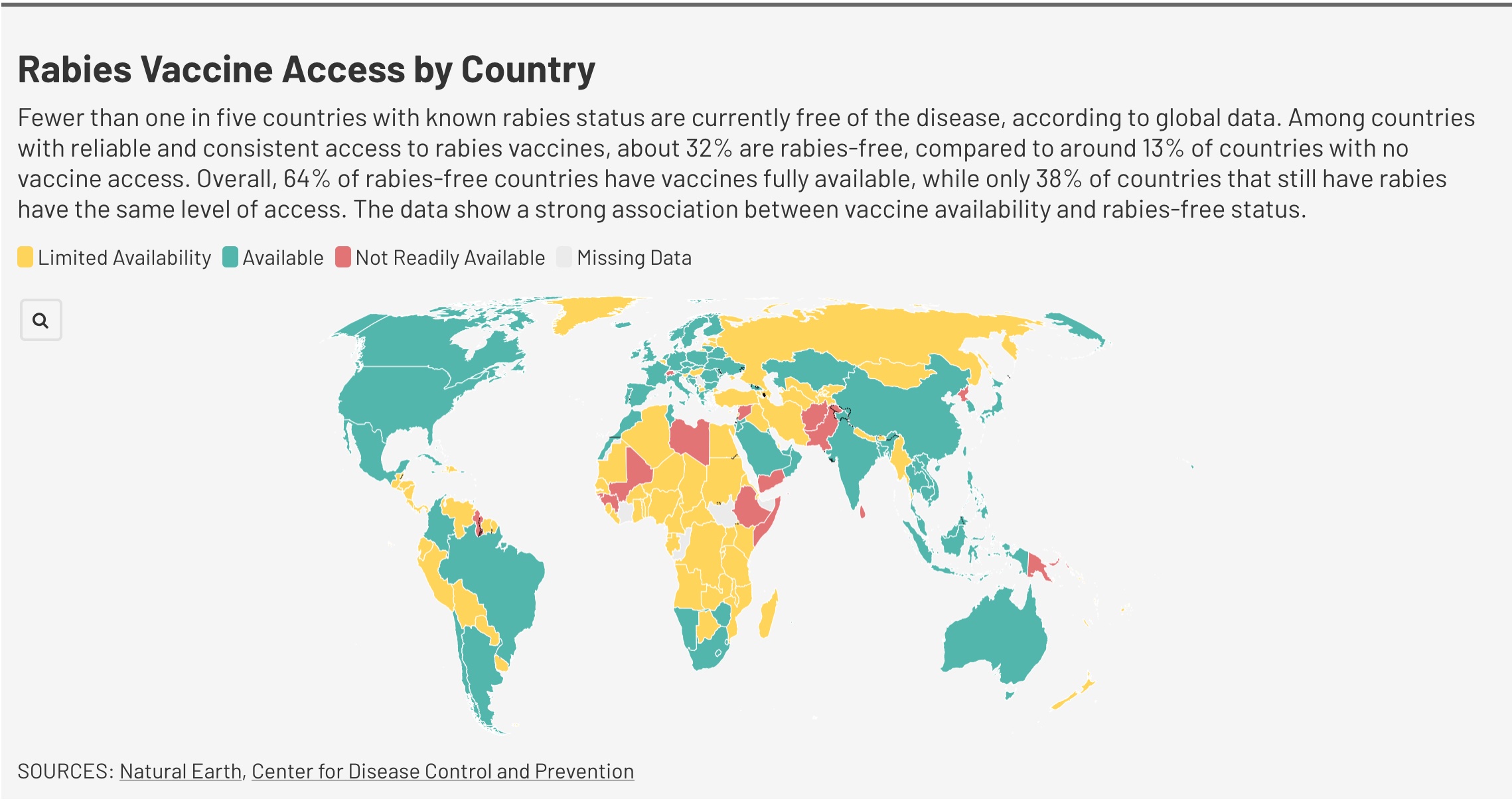
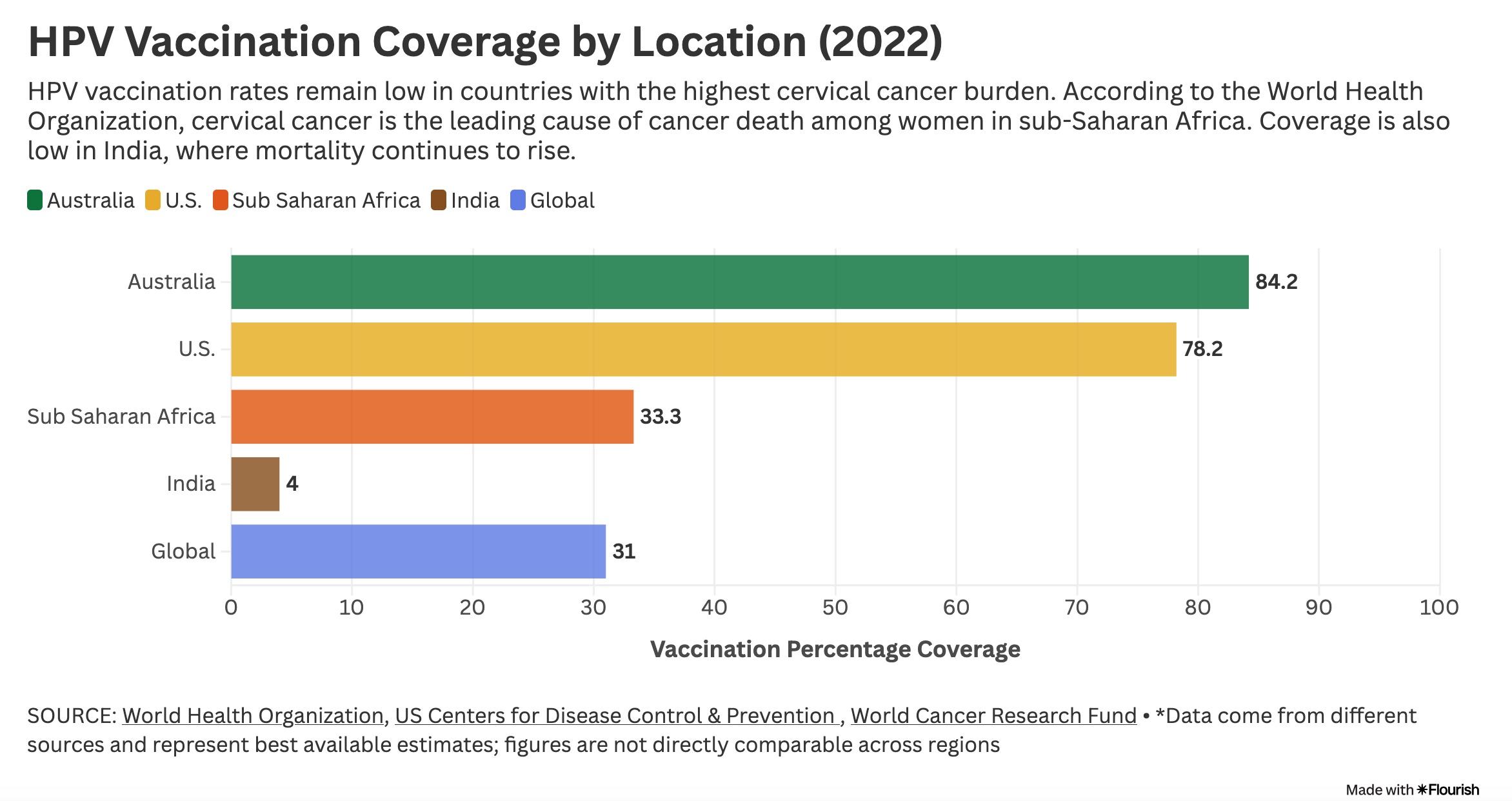
Many countries, in regions such as sub-Saharan Africa, Central America, and South-East Africa, are under-resourced and cannot widely distribute refrigeration systems.
“It adds cost every single step of the way,” Randolph says. “It adds cost during manufacturing of the vaccine. It adds cost as those vaccines are stored. It adds cost during shipping. It adds costs and challenges.”
On top of this challenge, there are vaccines that require multiple rounds. Rabies for example requires five to seven rounds of shots if you are bitten by an animal. So even if someone is able to find a clinic that has refrigeration capabilities and the vaccine available, finding the time and resources to come back to the clinic on multiple occasions can be difficult.
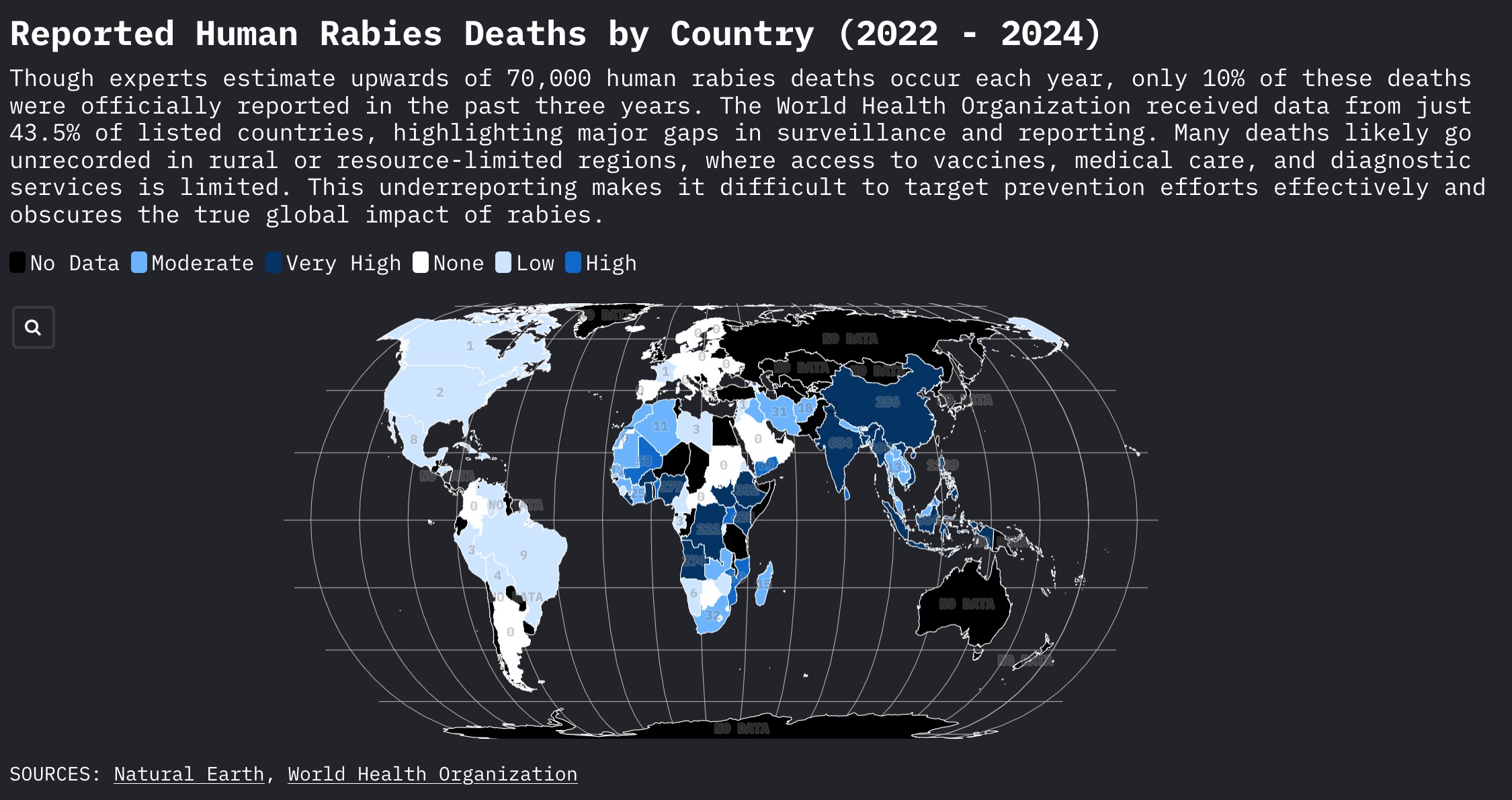
According to the CDC, an estimated 70,000 people die each year from rabies – ten times more than deaths reported to the World Health Organization (WHO).
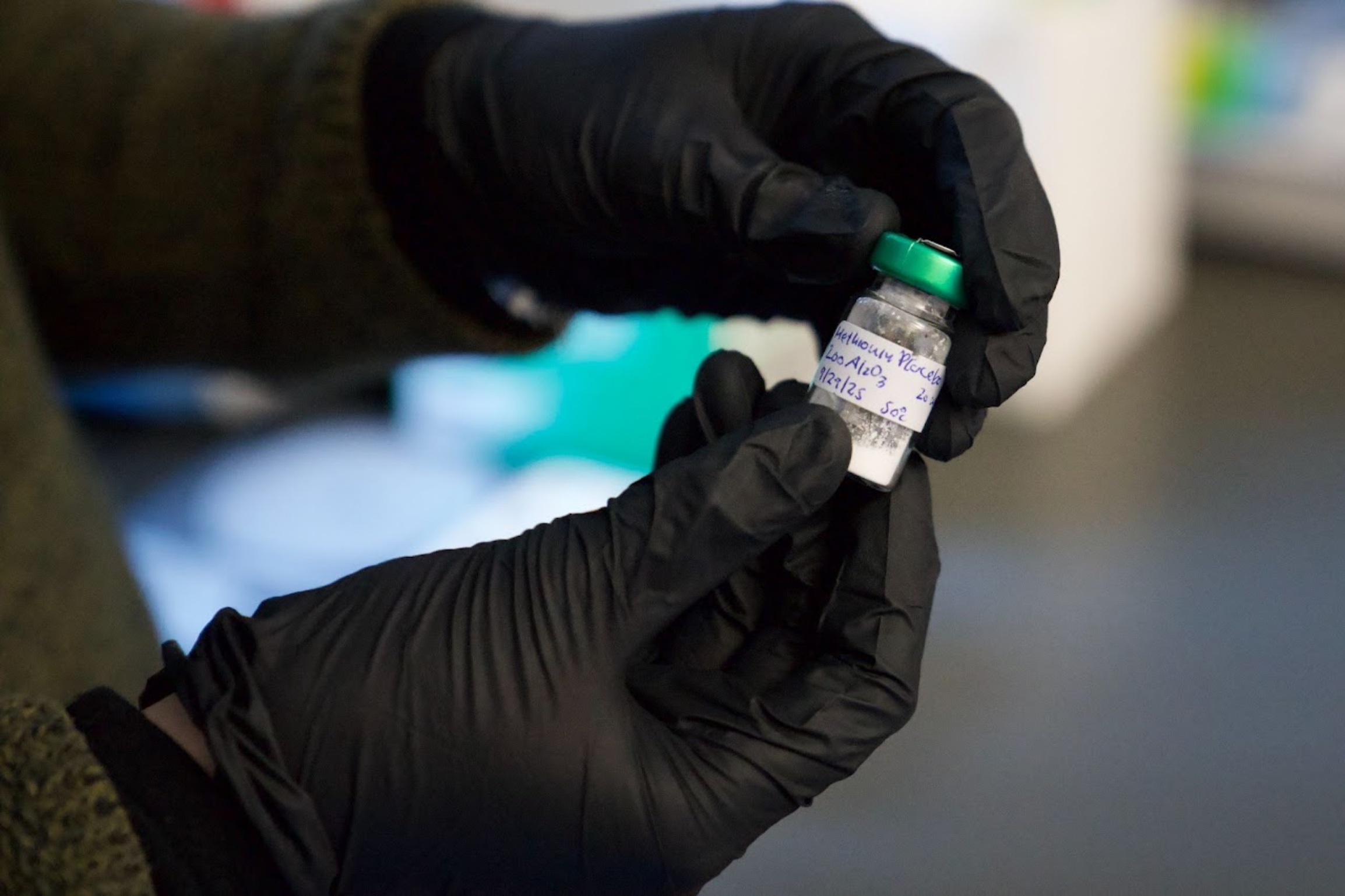
This is where the second part of the new vaccine technology comes in. Randolph’s lab found a way to put multiple vaccine doses into a single shot – by coating the temperature stable vaccine in multiple layers of alumina, chemically the same thing as sapphire.
“There’s nothing that is completely insoluble, and those very, very thin layers of alumina dissolve very, very slowly. Once they get wet, they dissolve so slowly that it might take a couple of weeks or months,” Randolph says. “Once they dissolve the sugar and vaccine component on the inside of the particle dissolves almost instantly. It’s very much like getting a second shot a month later, or two months later, or three months later.”
Though human trials are not expected for several more years, Randolph sees the potential impact temperature stable, single dose vaccines can have on human health.
“All other drugs are just crushed by how well vaccines do in terms of preventing loss of life and extending healthy life spans,” Randolph says. “It’s really nice to be able to say, maybe there’s a glimmer of hope that we could crack through some of that and actually help more people have access to this amazing technology.”
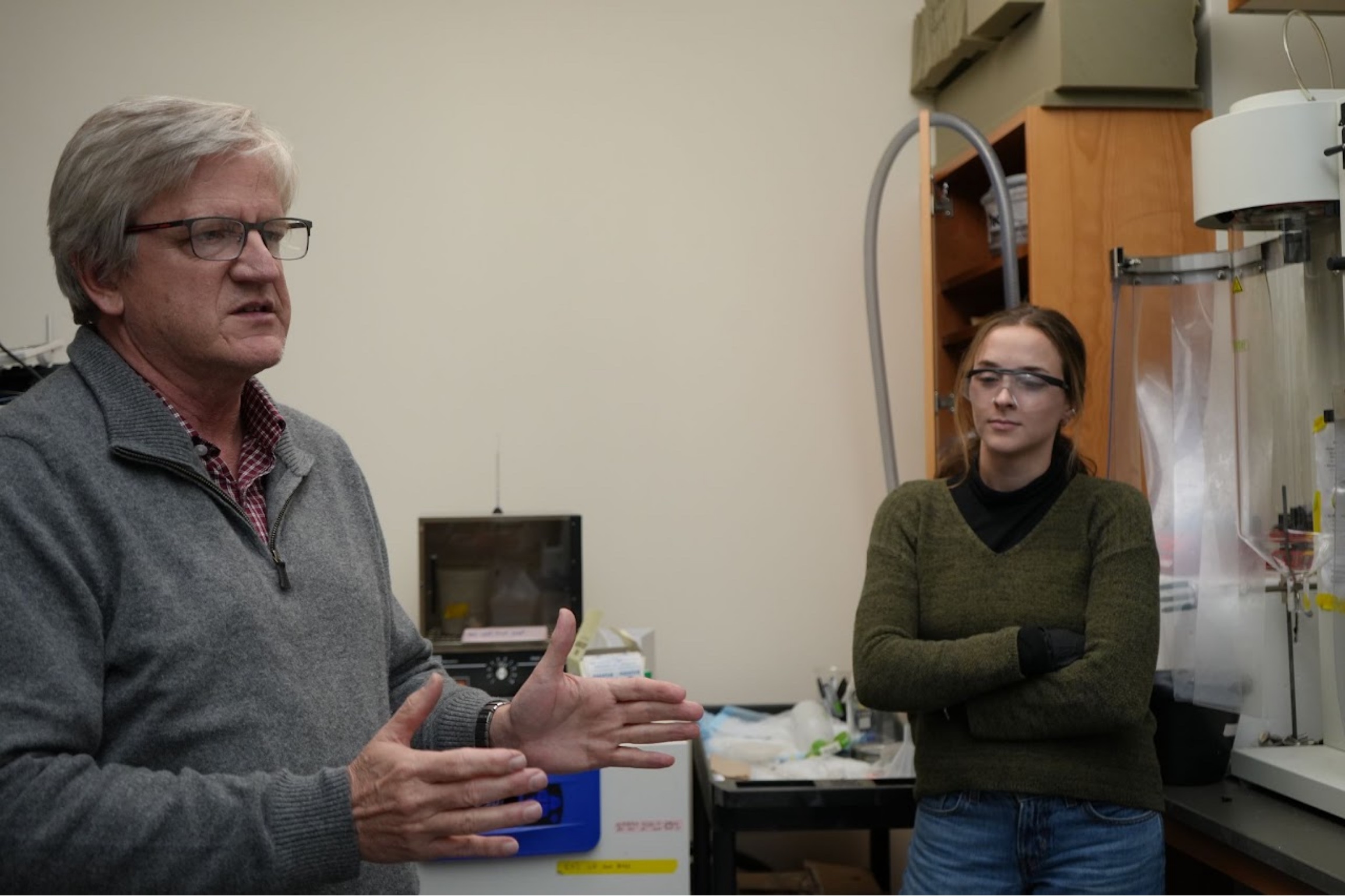
“If you just take a hard scientific look at vaccines, the number of lives that they have saved beats all other therapeutics. All other drugs are just crushed by how well vaccines do in terms of preventing loss of life and extending healthy lifespans,” Ted Randolph said.