The Museum of Boulder exhibits 150 years of trailblazing
By Haley Godfrey
The Museum of Boulder’s new exhibit recognizes CU Boulder’s history of inclusivity and advocacy.
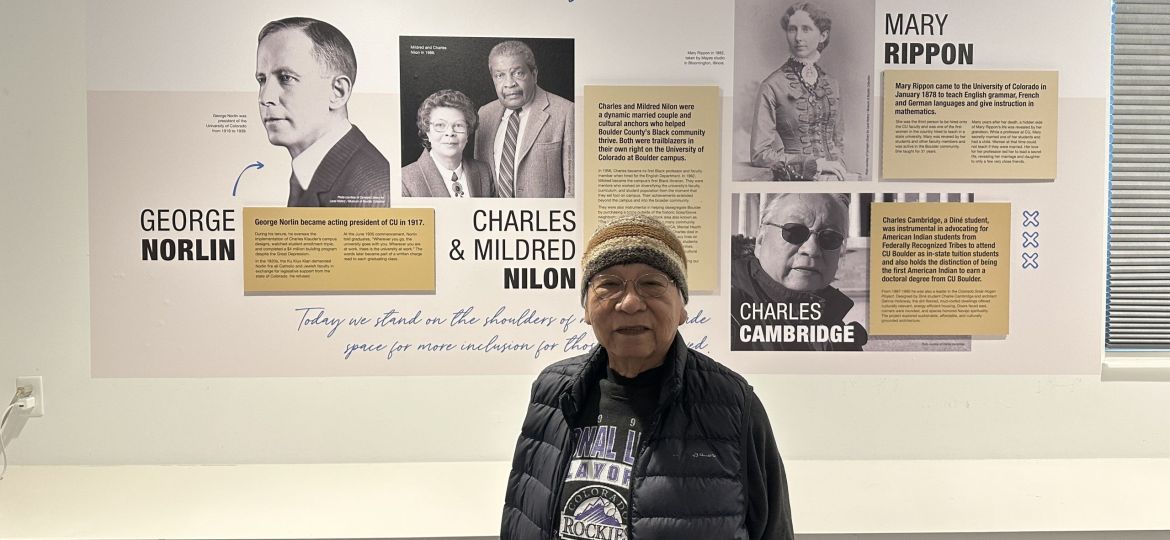
Open from Jan. 21 through March 1, the “Blazing Trail for 150 Years at CU Boulder” exhibit emphasizes the lasting impacts of individuals and groups who promoted equal rights and diversity to the university and greater Boulder area.
Emily Zinn is the education director at The Museum of Boulder. She and her team curated much of the exhibit to reflect the parallels of history and progress between CU Boulder and the town.
“Boulder has always been a unique town,” Zinn said. “Unique because of its relationship with the university that has influenced much of the politics on a local, state and even national level.”
The exhibit showcases this influence, illuminating progressive actions from Boulder residents as early as 1975. At the time, Clela Rorex, a major advocate for the women’s rights movement and county clerk, issued six same-sex marriage licenses after she found that no Colorado law prohibited it.
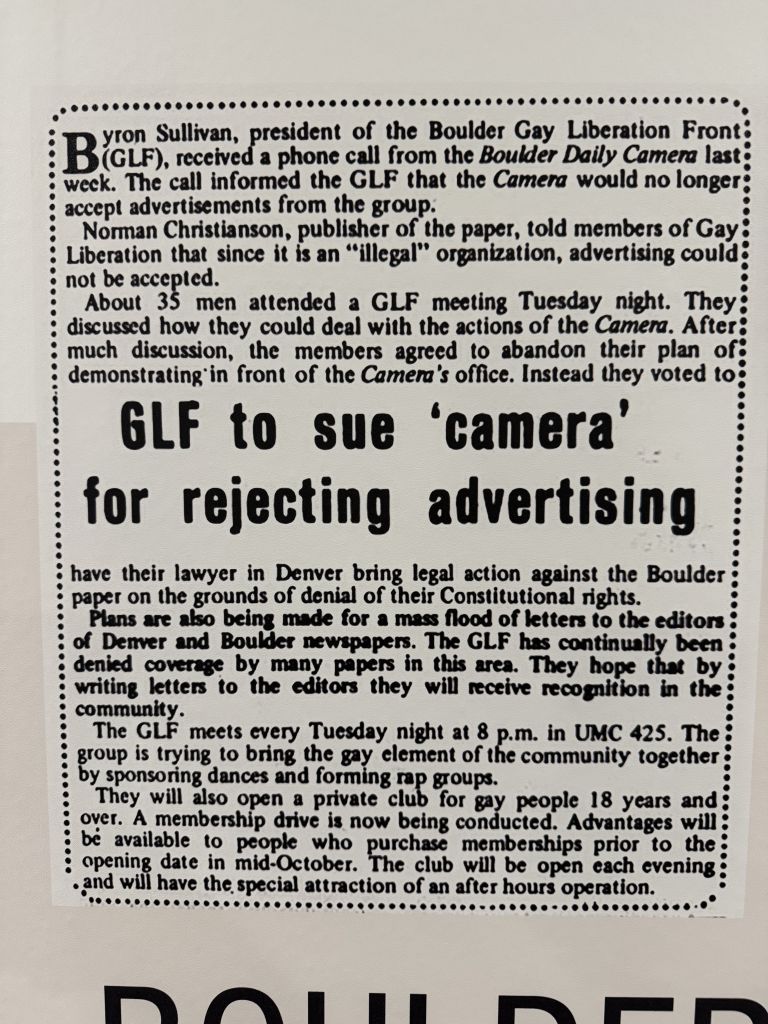
The exhibit also highlights how, in November 1970, the Boulder Gay Liberation Front was founded at CU Boulder in response to a Boulder Daily Camera article calling for a gay liberation movement. It provided social spaces, counseling, housing guides, political organization and an LGBTQ+ focused library to anyone who identified with the group.
“Boulder hasn’t always been regarded as a place of advocacy,” Zinn said. “It was individuals, and smaller, lesser-known groups, who advocated for change and inspired the university’s culture of progress.”
In addition to CU Boulder’s history of LGBTQ+ inclusivity and advocacy, the exhibit shows the university’s push for racial diversity.
Charles and Mildred Nilon were two key individuals who established and endowed Black representation at CU Boulder. Hired for the English department in 1956, Charles was the university’s first Black professor. In 1962, Mildred became the first Black librarian.
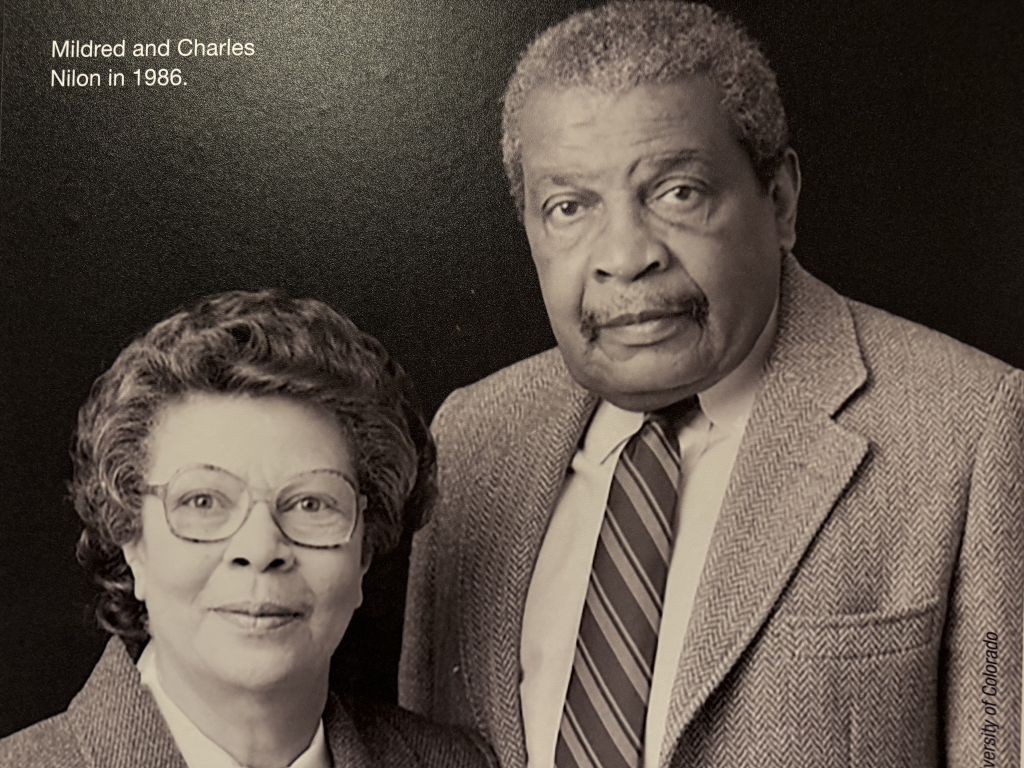
The Nilons lived on 20th and Pine Streets, which at the time, helped to desegregate the city. While working at the university the Nilons helped diversify the curriculum, faculty and student population while serving on multiple university and town boards. Today, their legacy takes form through the Charles and Mildred Nilon Endowed Teacher Education Scholarship.
Christopher Taylor, the museum’s executive director, says the nation was hungry for greater social liberation following the passing of the 26th Amendment, which lowered the legal voting age from 21 to 18.
“Much of the culture was changing during this time,” Taylor said. “The voting age had just been lowered to 18, and the Vietnam War was happening. The progressiveness of the university certainly influenced the atmosphere of Boulder.”
The change allowed more CU Boulder students to vote, which gave them influence over local and national politics.
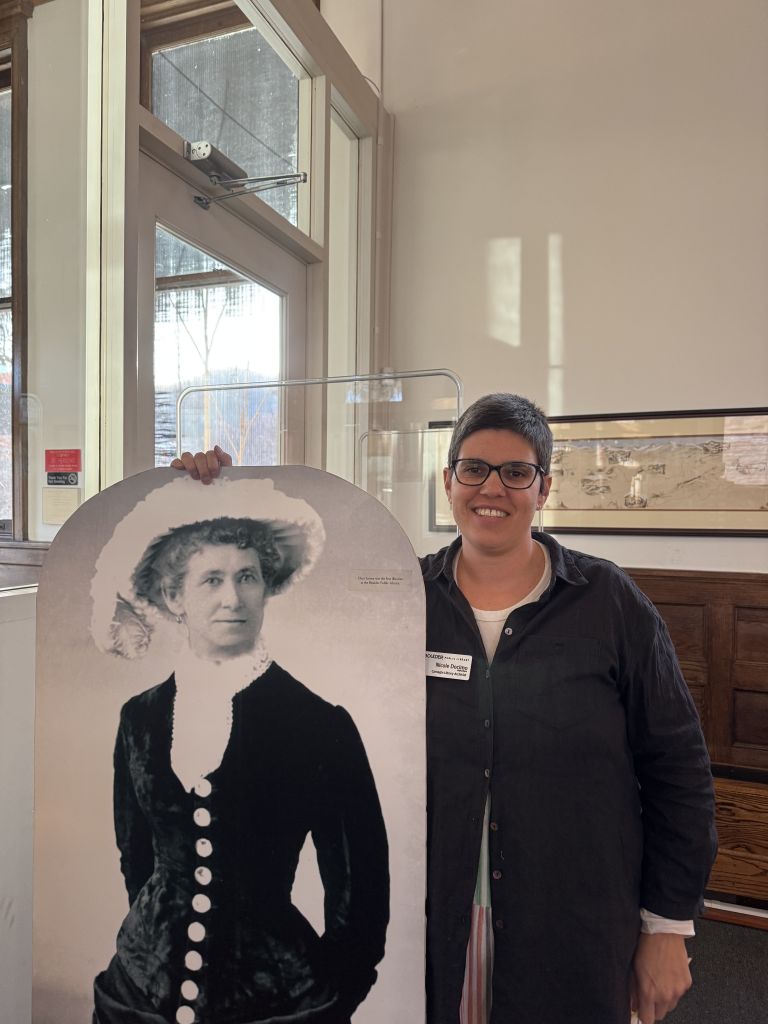
The Carnegie Library for Local History informed much of the museum’s exhibit. The library’s main focus is to collect records, stories and experiences belonging to diverse perspectives and identities. Nicole Docimo is the library’s archivist, maintaining its collection of historical records and materials.
“A lot of history is story,” Docimo said. “There’s always truth in different people’s experiences.”
Edited by Linus Loughry