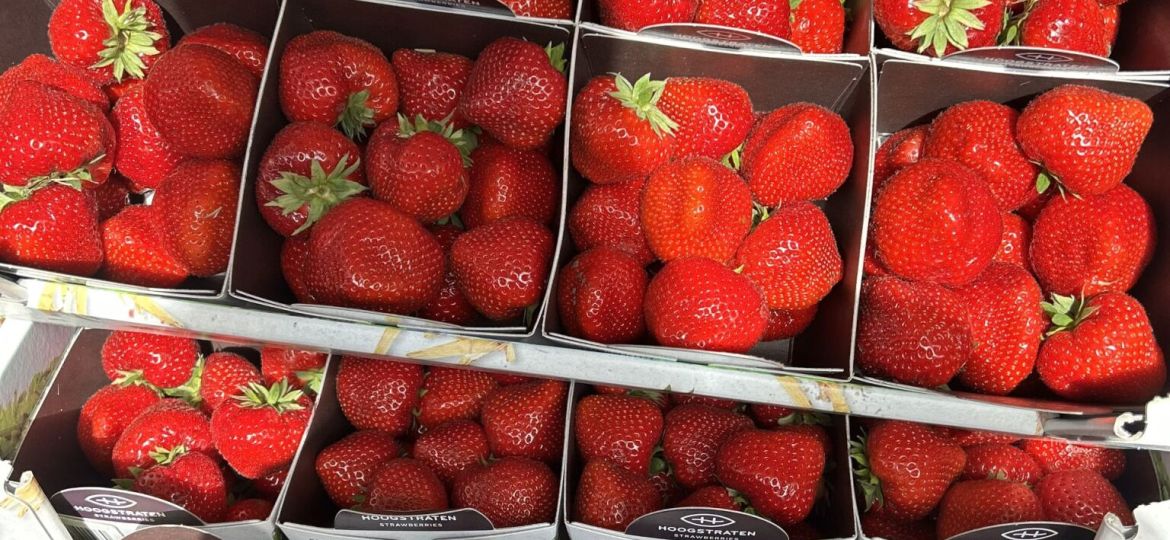
Fueling the future: Students prioritize healthier diets
By Jessica Ryanczak
Chicken and rice have replaced Easy Mac, and protein has found its way into everything from coffee to snacks. Watching what you eat isn’t just a phrase taught to kids; it’s become a strong affirmation for college students looking to improve their diets.
According to a 2023 survey reported by Inside Higher Ed, about six in ten college students said they want to eat a healthier diet. Students listed improving their nutrition as one of their top personal goals
“I think a lot of students and the general public are more aware of healthy eating,” said Yoonie Whitcomb, a registered dietitian. “People are very healthy, fit, conscientious and very motivated about pursuing good health and fitness.”
This trend is also influencing small businesses. Coffee shops are adapting to new customer preferences by offering plant-based milk, sugar-free syrups, and extra protein powders in their drinks.
“The most popular things are sugar-free flavors that taste the most like they have sugar in them,” said Kristie Johnson, the owner of Erista Coffee & Co. in Broomfield.
As coffee shops respond to popular health trends, Whitcomb warns that convenience-focused options can sometimes distract students from making healthier choices.
“Keeping it simple, making a thoughtful decision, I think that goes a long way,” she said.
Some college students say they are aware of how food affects their mood and energy levels. Charlotte Lambert is a sophomore at the University of Colorado Boulder.
“I eat to fuel myself because it’s important to eat those types of foods when you study in school and want to work hard,” Lambert said.
Social media has helped spread nutrition information, though Whitcomb says that not all online advice is reliable. Current online trends encourage high-protein, low-carbohydrate diets, which Whitcomb says can lead to low energy levels and reduced performance if followed too strictly.
“It’s a very simple analogy, that is, it’s a car. If you have a vehicle, you need gas to move that vehicle,” she said. “The carbohydrate is the gasoline. We need a carbohydrate to function.”
Whether driven by personal health goals or wider awareness, college students are increasingly seeing food not just as fuel, but as an important part of a healthier future.
“I eat eggs every morning and it’s always helped me wake up,” Lambert said.
Edited by Avery Kinnison